Saturday, May 2, 2026
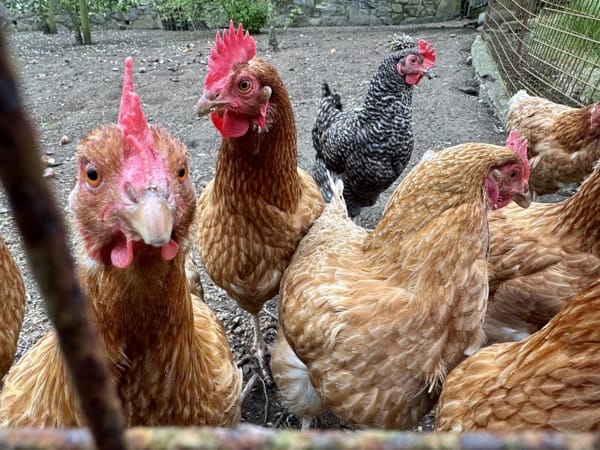
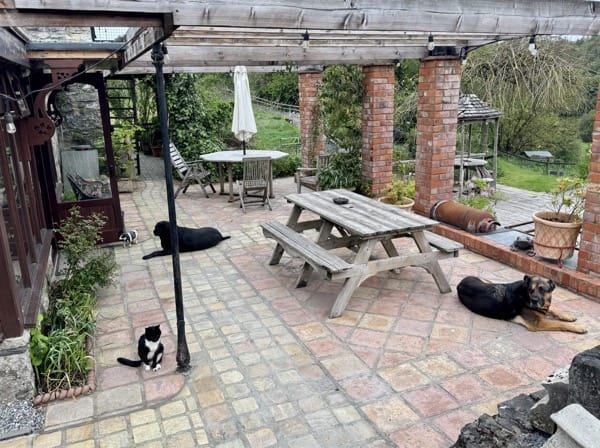
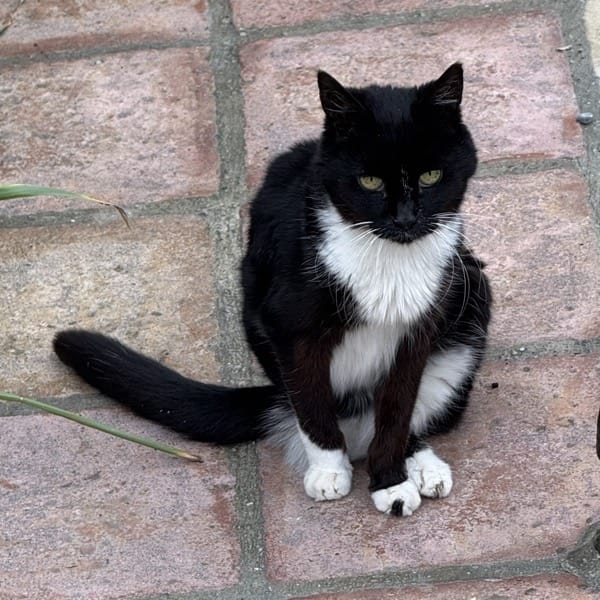
This morning, we had extra time to explore the Lawcus Farm before our scheduled 8 a.m. breakfast. We visited the chickens and, under Mark’s guidance, fed the pig the leftovers from last night’s dinner. We also spent time with their dogs and their black-and-white three-legged cat, whose remarkable rescue story Mark had previously shared with us.
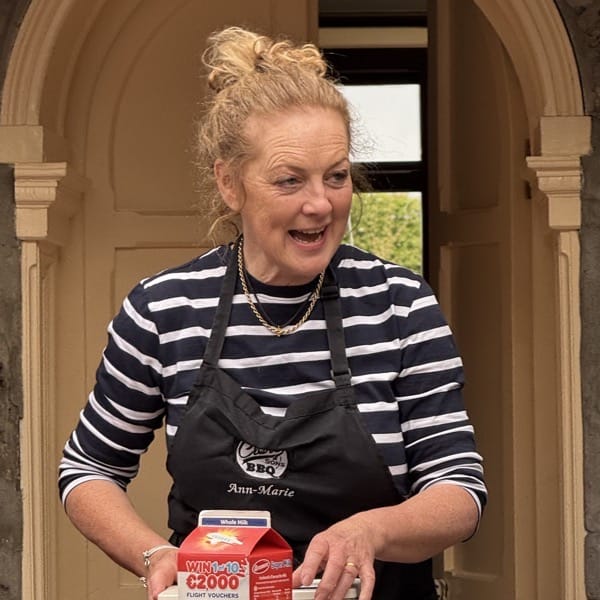
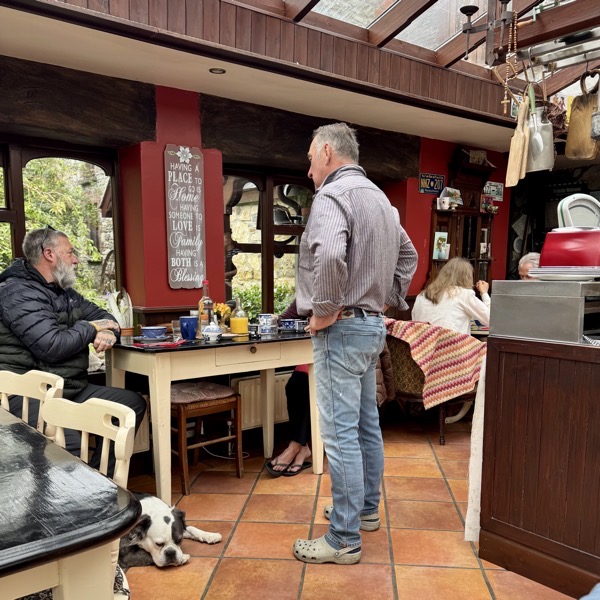
There were additional guests joining us for breakfast that morning, so the sunroom dining area was once again filled with lively conversation among everyone and our hosts, Anne Marie and Mark.
—— Morning at Lawcus Farm Guesthouse —–
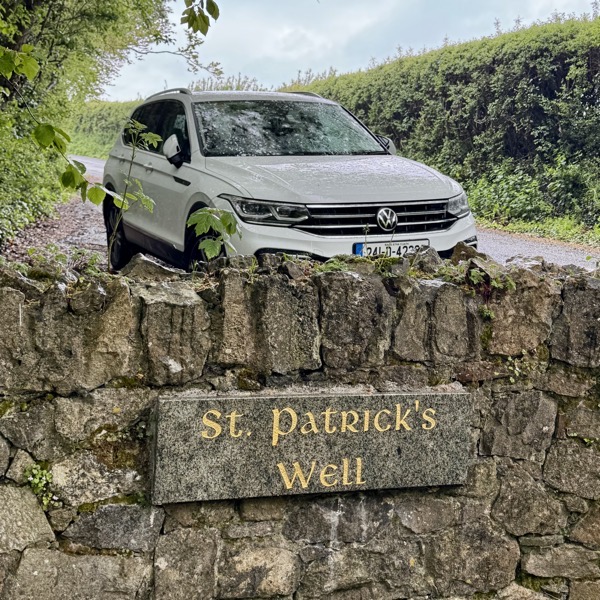
After breakfast, we loaded the car, said our heartfelt goodbyes, and—with Jane at the wheel—set off for the Rock of Cashel. Along the way, we took a brief detour at Anne Marie’s recommendation to visit St. Patrick’s Well near Clonmel.
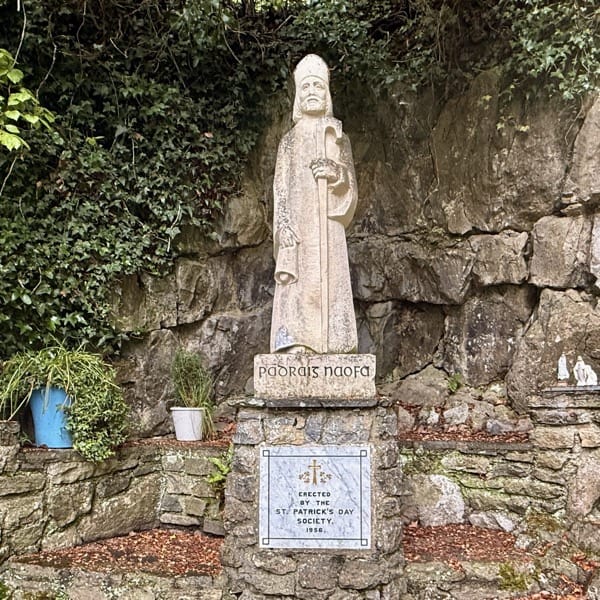
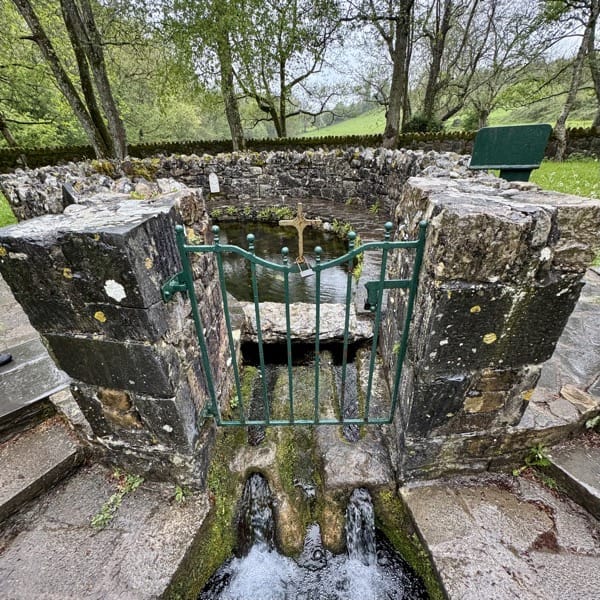
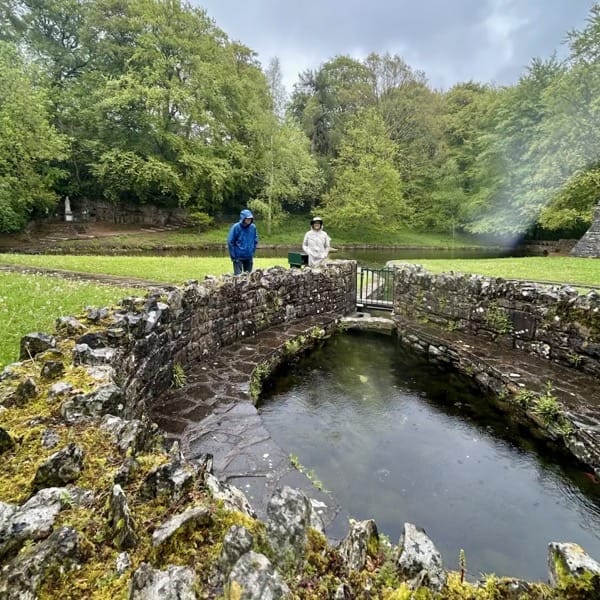
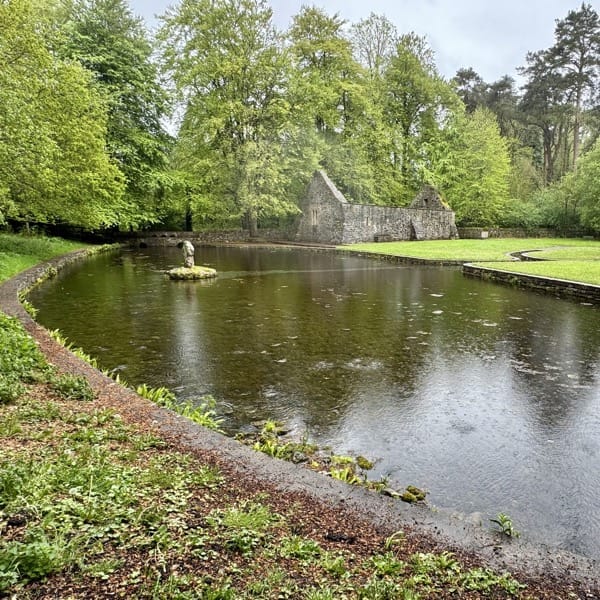
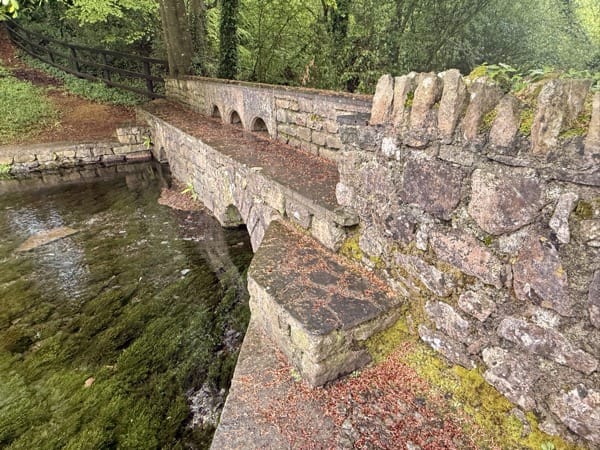
Tucked into a quiet, sheltered valley, the site felt wonderfully tranquil. A spring-fed pool, ancient stone cross, and the ruins of a medieval church were surrounded by lush, well-kept greenery. According to local tradition, this is where St. Patrick and St. Declan first met some 1,600 years ago, a legendary encounter tied to the early spread of Christianity through Munster.
A light rain fell while we wandered the grounds, and for our time we had the entire place to ourselves. The soft sound of flowing water and the drizzle over the valley gave the well an almost timeless atmosphere.
—— St. Patrick’s Well —–
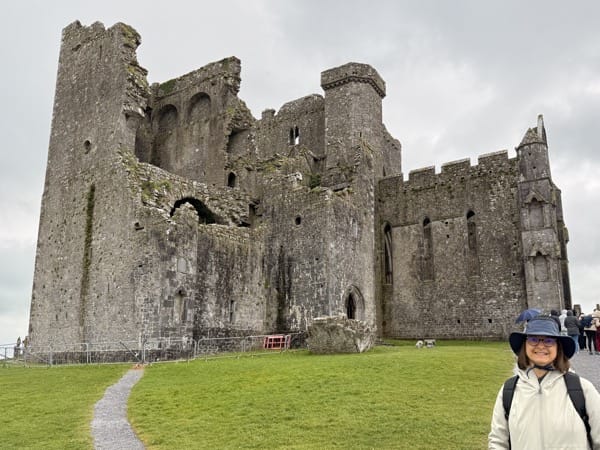
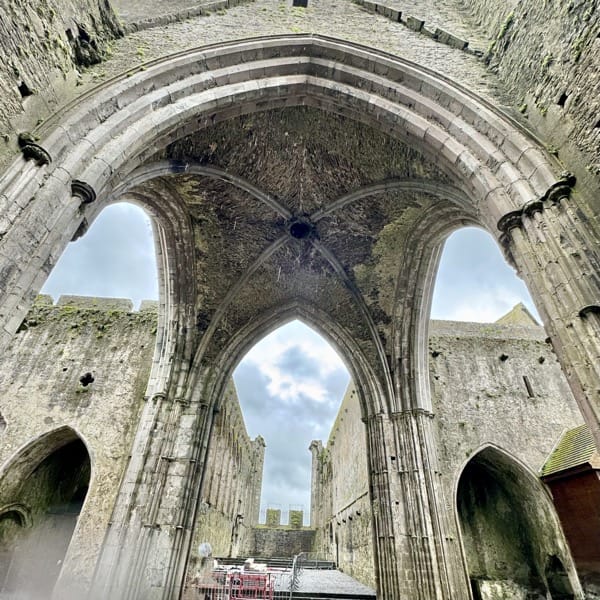
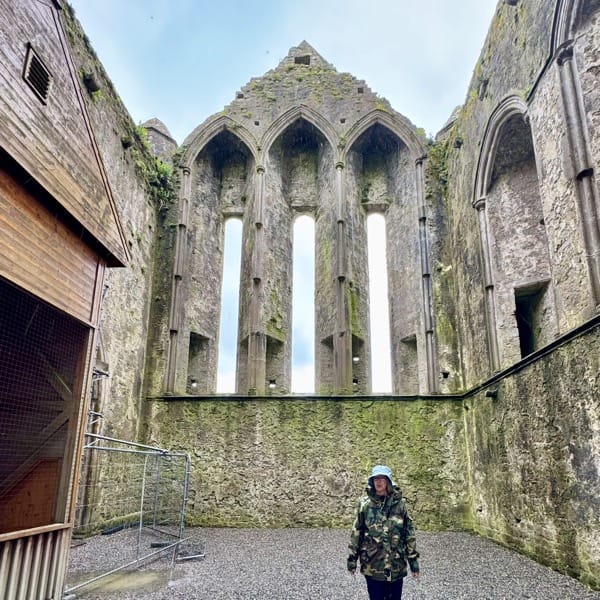
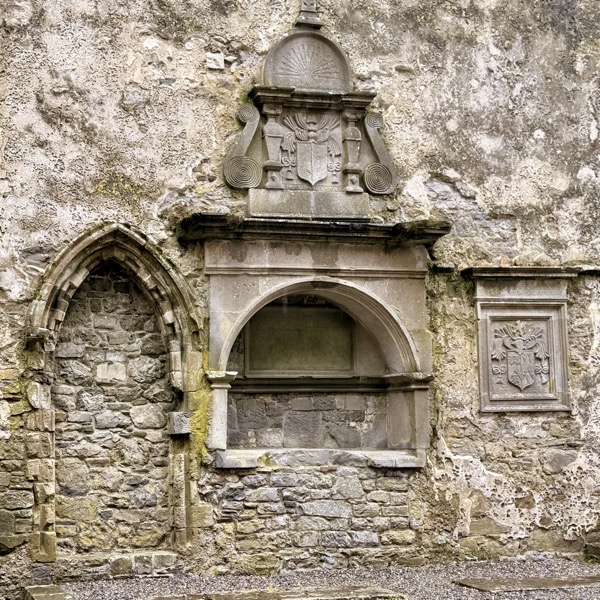
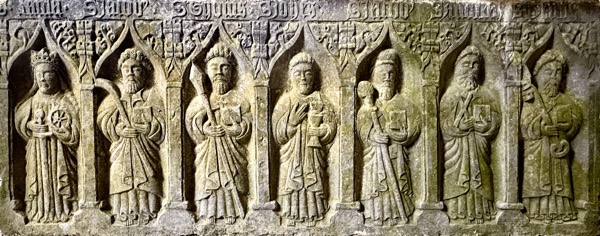
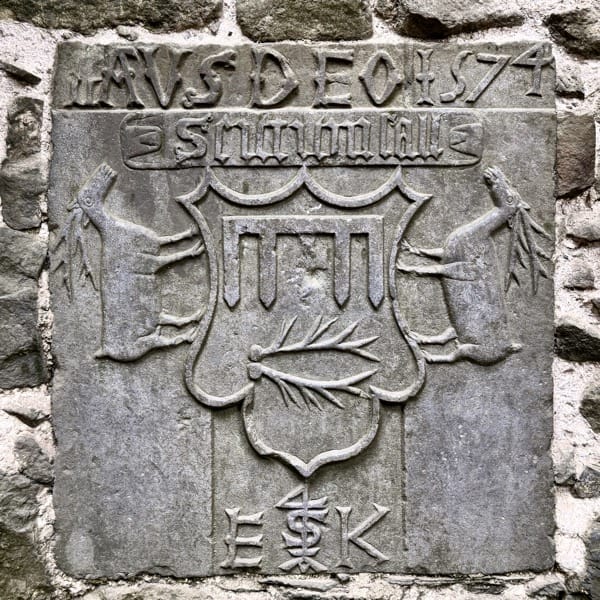
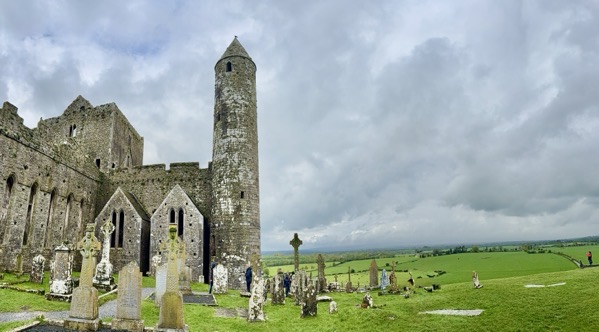
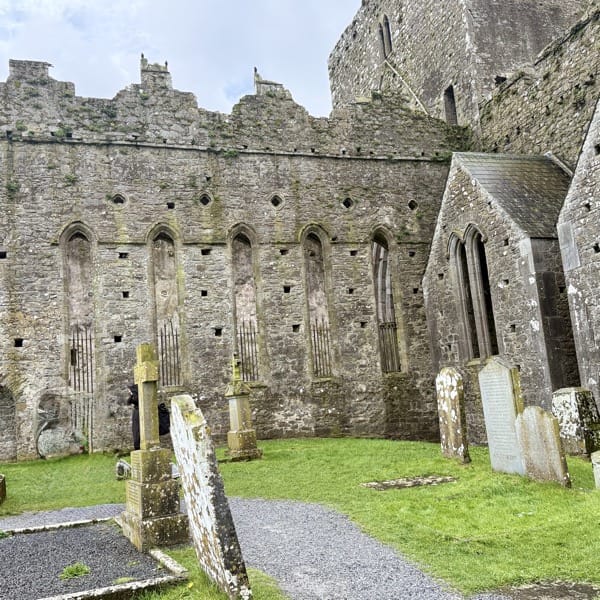
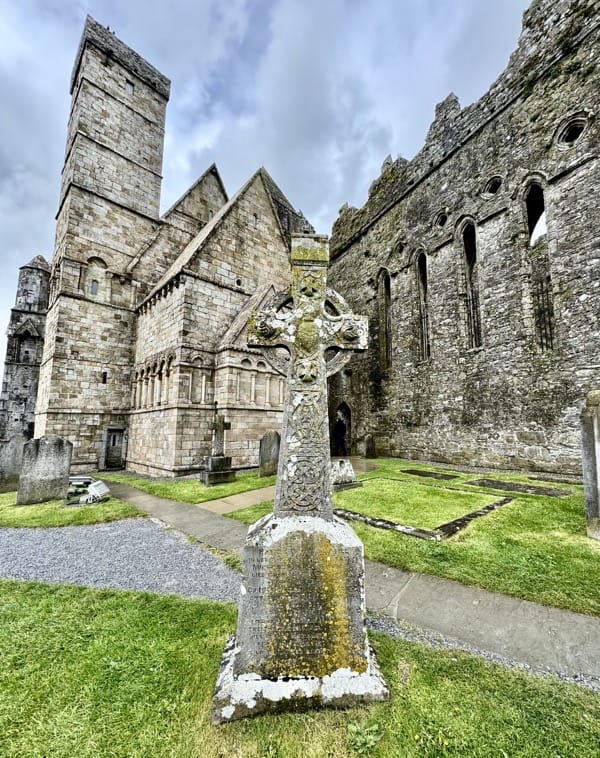
From there, we continued on to the Rock of Cashel—also known as Cashel of the Kings or St. Patrick’s Rock—in County Tipperary. Rising dramatically above the surrounding plains, the site has been associated with the Kings of Munster since at least the 4th or 5th century. According to tradition, St. Patrick visited here and converted King Aenghus to Christianity in the 5th century. Most of the remarkable structures standing today—including the round tower, Cormac’s Chapel, and the cathedral—date from the 12th and 13th centuries.
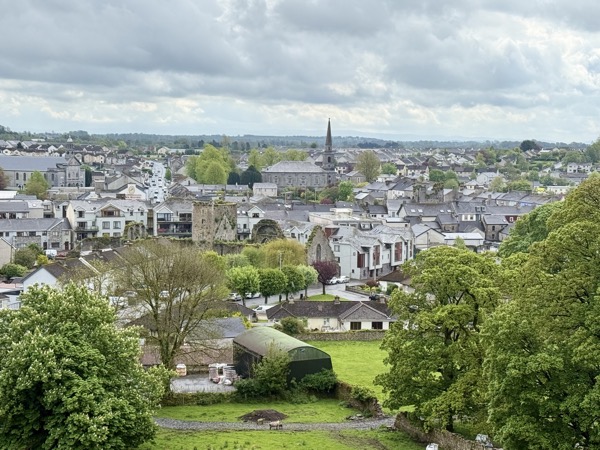
We wandered the grounds for quite a while, captivated by the scale and atmosphere of the ruins. The weathered stone buildings, ancient grave markers, and sweeping views across the Tipperary countryside made the entire site feel both monumental and timeless. Eventually, we ducked inside to watch an informational film about the Rock and the surrounding historic ruins. The next English-language showing was still half an hour away, so we opted for the German version instead—which, surprisingly, still added to the experience.
After another lingering walk around the complex, still in awe of its immensity and history, we finally made our way back to the car.
—— Rock of Cashel —–
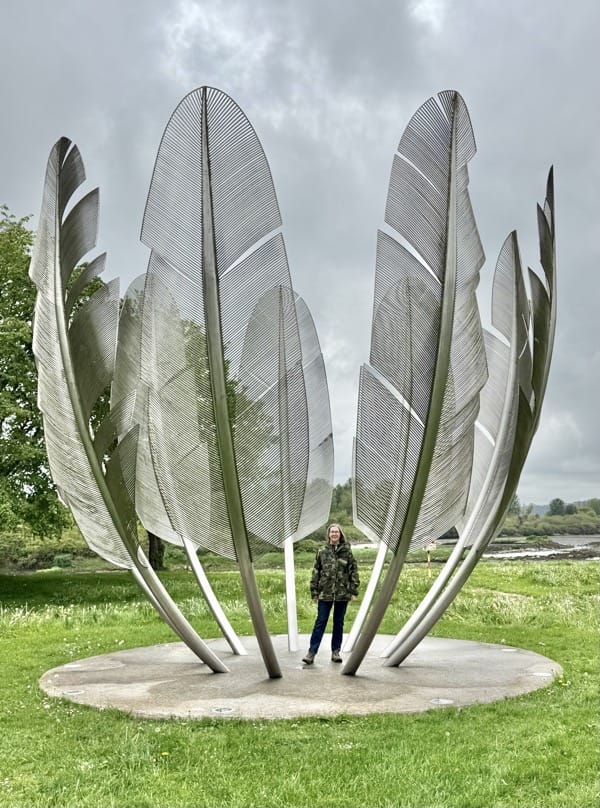
We made our way through town toward our next destination, Monkstown. Along the route, Nancy wanted to stop at the Kindred Spirits memorial near Midleton. This striking sculpture features nine stainless-steel feathers, each rising nearly 20 feet into the air and curving skyward as if caught in an updraft.
The monument commemorates the remarkable act of generosity shown by the Choctaw Nation during the Great Famine. In 1847, despite their own hardship and only years after the Trail of Tears, the Choctaw people donated money to help famine relief efforts in Ireland. The gesture created a lasting bond between the Irish people and the Choctaw Nation that is still remembered today.
The sculpture was created by Irish artist Alex Pentek and officially unveiled in 2017 in the presence of Choctaw Chief Gary Batton and members of the tribal council. Standing beneath the towering feathers in the quiet parkland, the memorial felt both powerful and deeply moving, a tribute not only to compassion during tragedy, but also to an enduring friendship across continents.
—— Kindred Spirits Choctaw Monument —–
After our brief visit there, it was on to the Bosun in Monkstown, our stay for the next two nights. By the time we arrived, Jane was more than ready to be finished with driving. Today, the roads we took were generally good and wide, allowing speeds of 100–120 kph, but the steady concentration still left her quite weary. Due to somewhat confusing GPS directions, we made a couple of wrong turns but eventually found our way.
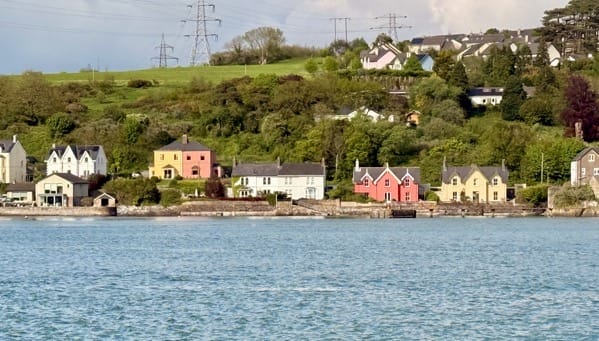
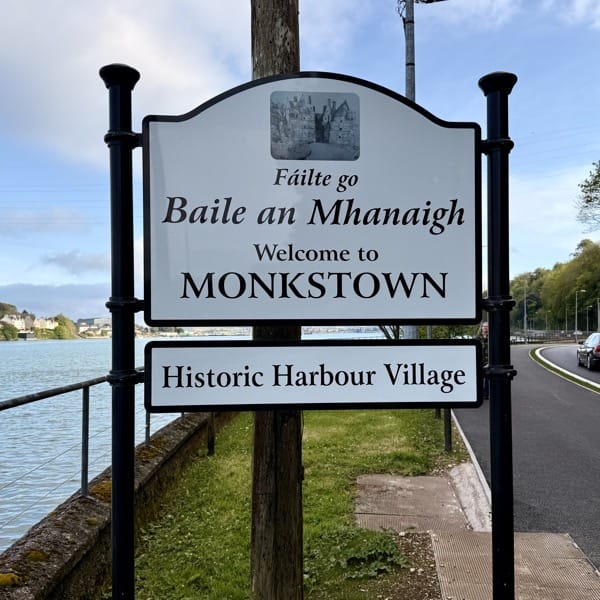
Nestled along Cork Harbour, Monkstown is a charming seaside village known for its peaceful waterfront and historic character. The village’s imposing 18th-century castle and colorful harbor views give it a relaxed, timeless atmosphere that immediately appealed to us.
—— Monkstown —–
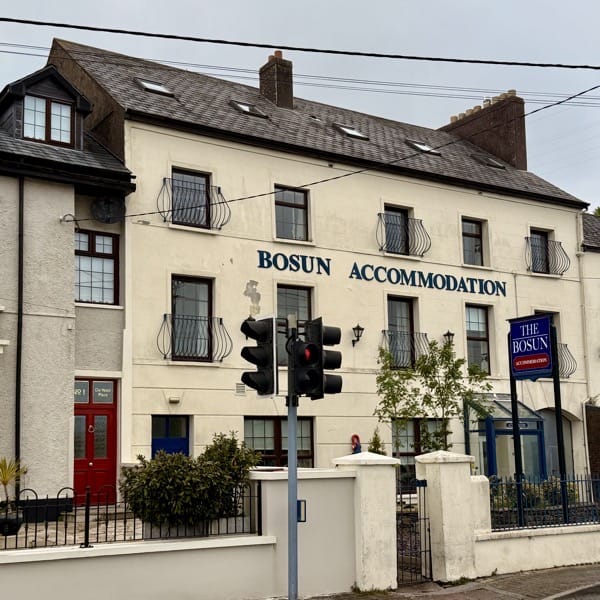
After checking into our somewhat small rooms, we were hungry from not having eaten since breakfast, so we headed to the Bosun Restaurant. While enjoying our seafood and stouts, we met a 50-year-old Irish woman named Isabelle who lived about an hour away. She was taking a short overnight break from caregiving for her 96-year-old father. She was drinking pints of Guinness and became quite chatty with us as we ate and enjoyed our meals.
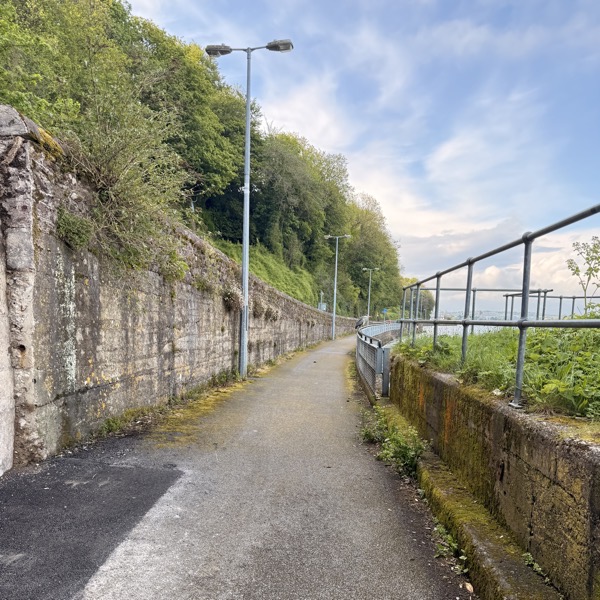
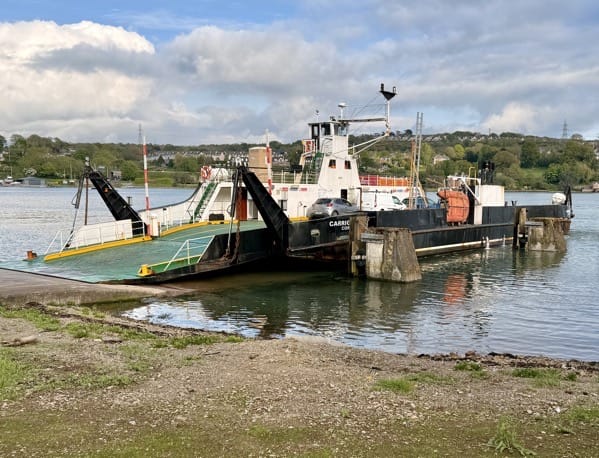
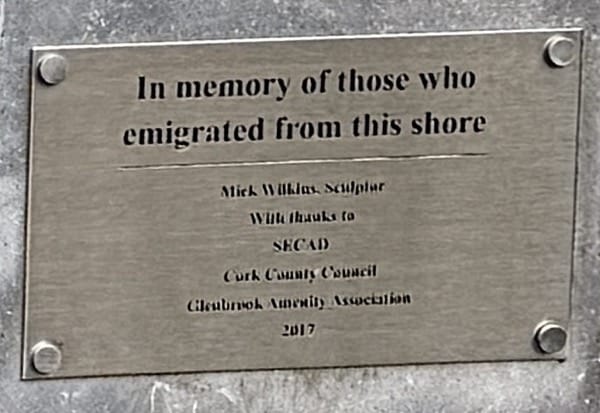
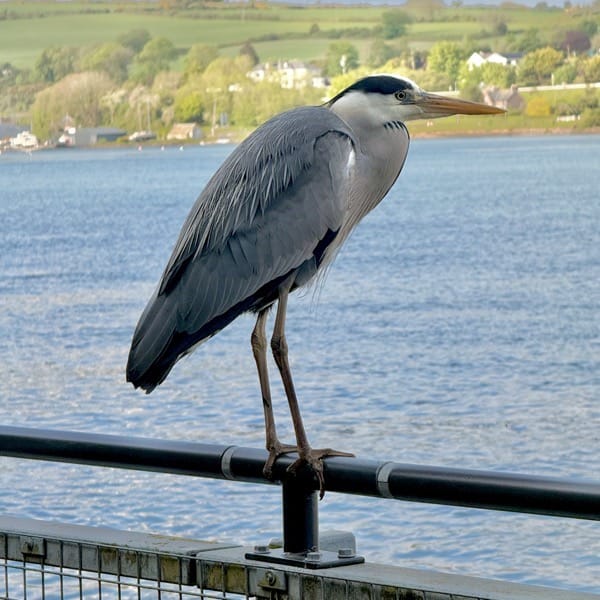
Afterward, while Jane returned to the hotel room for some well-deserved relaxation, John, Nancy, and I strolled along the River Lee. On the pleasant walk, we encountered a couple of young men fishing for pollock, though they were not having much luck this time. A large gray heron stood nearby, attentively monitoring the fishermen in hopes of stealing a meal, but it wasn’t having any luck either. We turned around at the ferry landing to return to the Bosun.
Back in our room, Jane and I retired early, anticipating the exploration of a fresh patch of Ireland tomorrow.
—— Evening Walk along the River Lee —–