Thursday, May 7, 2026
Today we gathered for breakfast at 8:00 a.m. after Geraldine warned us the night before that electricity in the area might be shut off around 9:00 due to a nearby construction project. Wanting to avoid any interruption, we made sure to finish our scrambled eggs and toast and be on the road before the power outage began.
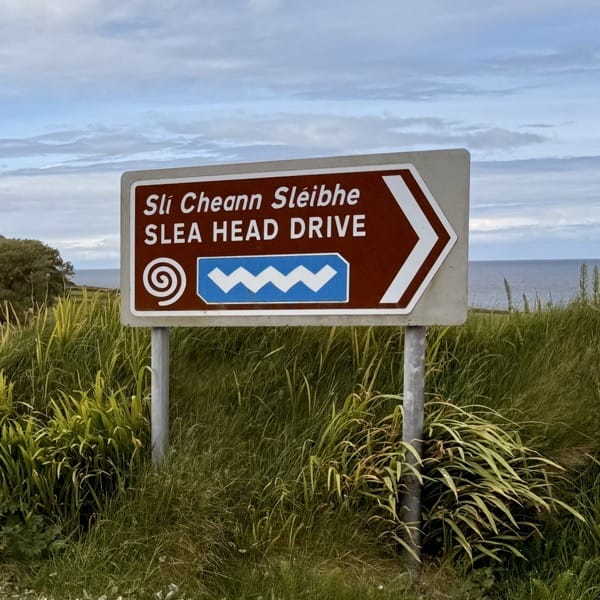
Today’s adventure would take us along the famous Slea Head Drive, with Jane taking her turn behind the wheel. This scenic loop follows much of the coastline of the Dingle Peninsula along the R558 and forms part of the spectacular Wild Atlantic Way, the coastal touring route that traces Ireland’s rugged western shoreline. Throughout the drive, the Wild Atlantic Way was marked by signs displaying its familiar symbol — a stylized white wave set against a blue background.
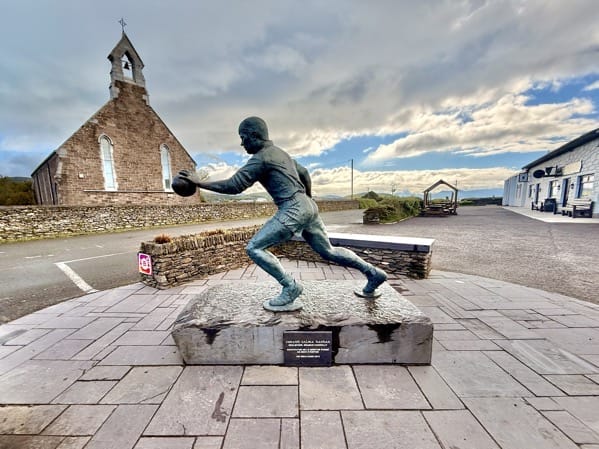
The morning skies, usually wrapped in gray clouds, showed promising streaks of blue, giving us hope for clear views along the coast. Our first stop was a quick photo opportunity at the well-known landmark called “God, Groceries, and Guinness,” a humorous roadside scene that captures the character of rural Irish life. The display features a small church, a local shop, and a Guinness advertisement standing side by side — symbolizing, as locals jokingly say, the three essentials of Irish community life. Nearby stood a statue honoring a local Gaelic football hero, Páidí Ó Sé.
—— Our Slea Head Drive Start —–
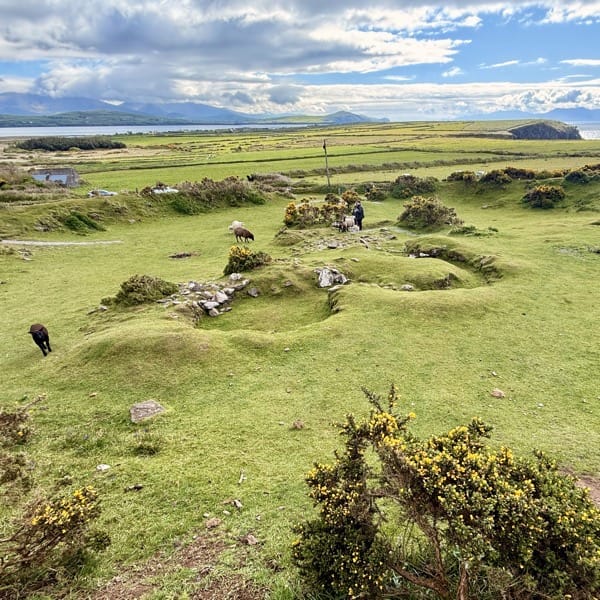
Next, we stopped in Ventry at a ring fort — a circular earthen mound, now covered in grass and soil, dating back to the late Stone Age. This was a striking example of an unexcavated archaeological site, with evidence of human activity in the area stretching back to around 4000 BC.
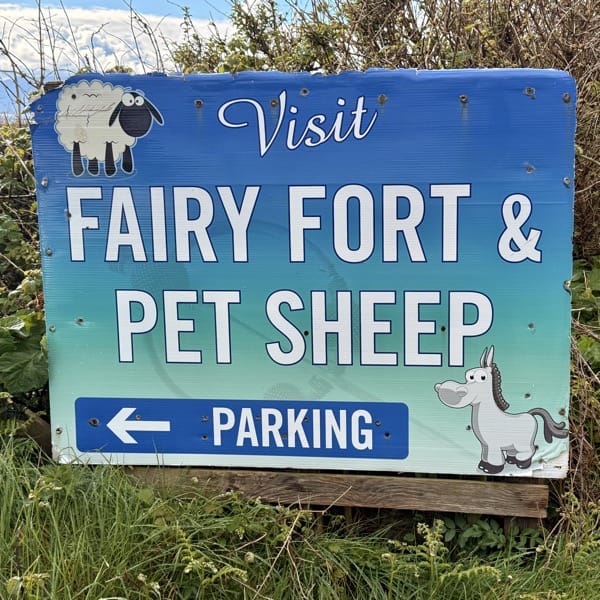
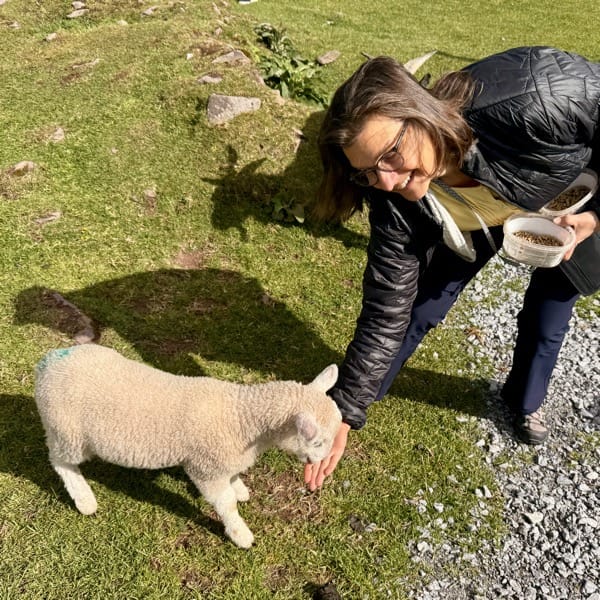
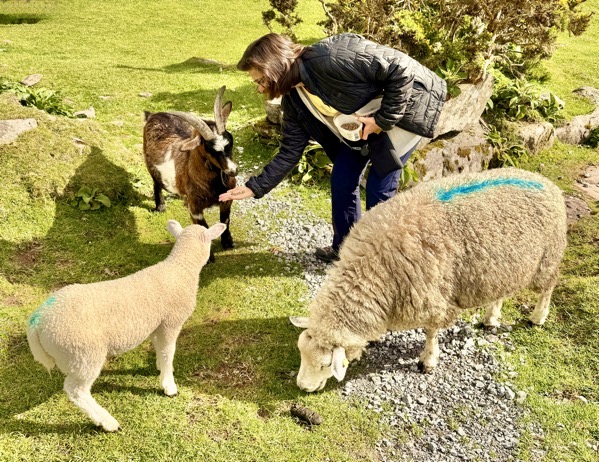
What we unexpectedly found here was Lios Stone Circle and Animal Feeding, where we paid €5 each for containers of pellets to feed the sheep, lambs, and goats wandering the grounds. It was a surprisingly fun and interactive experience, as we explored the ancient ring mound while animals gathered around us. The contrast between the quiet, untouched archaeological landscape and the lively farm setting made the stop memorable, offering a rare chance to experience a completely unexcavated ring fort up close.
—— Lios Stone Circle and Animal Feeding —–
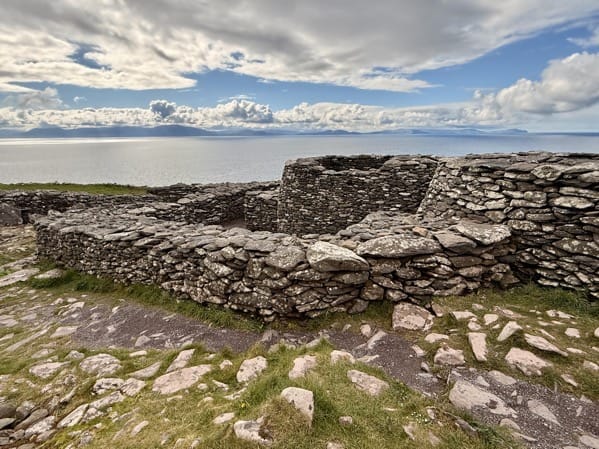
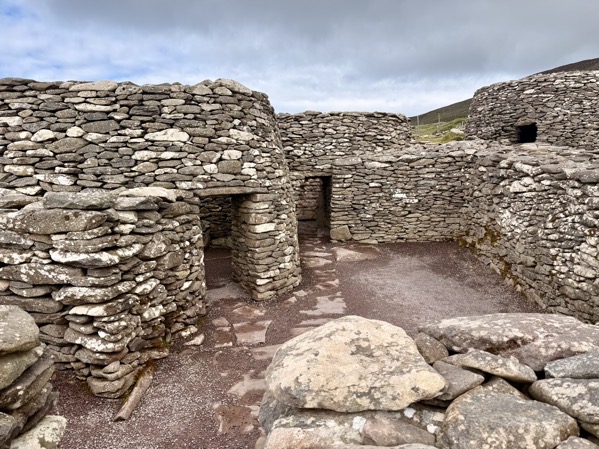
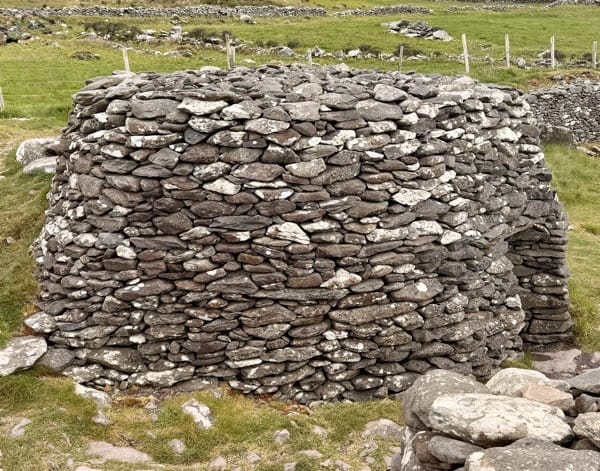
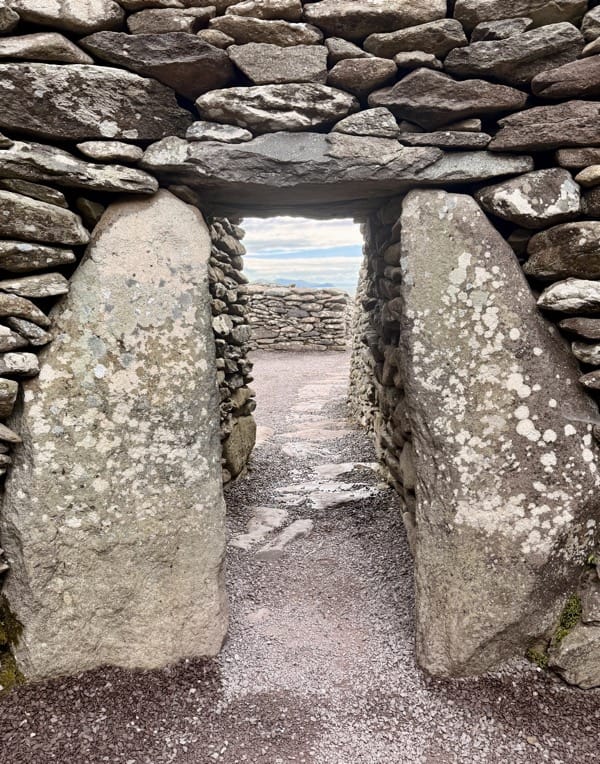
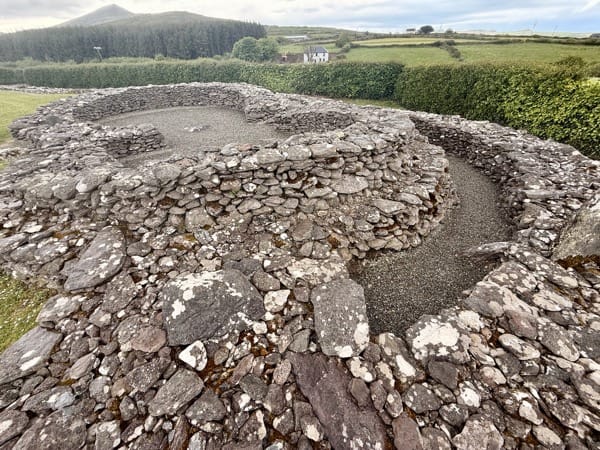
Further along, our next stop was the Fahan Beehive Huts, a remarkable cluster of dry-stone, corbelled structures. Built without mortar, these small beehive-shaped huts use carefully stacked stone layers that gradually taper inward to form a domed roof. Some of the structures were original while others had been stabilized or partially reconstructed, allowing us to better understand their form and construction. Although their exact use is still debated, they are generally thought to have served as simple shelters or dwellings in an early rural or monastic context.
—— Fahan Beehive Huts —–
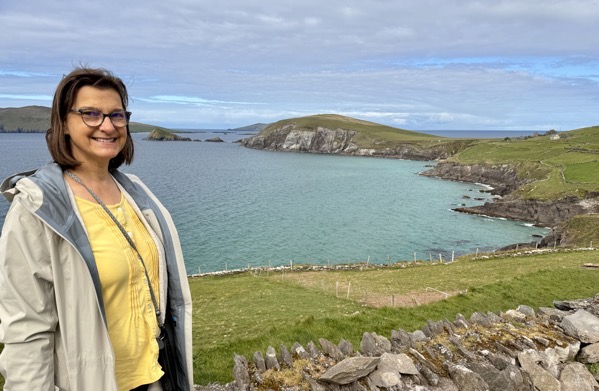
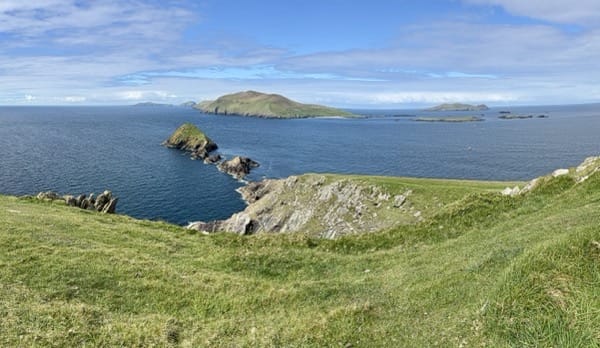
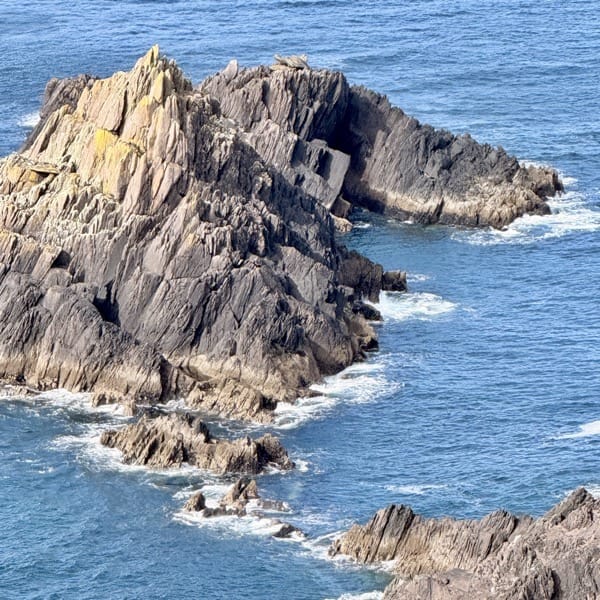
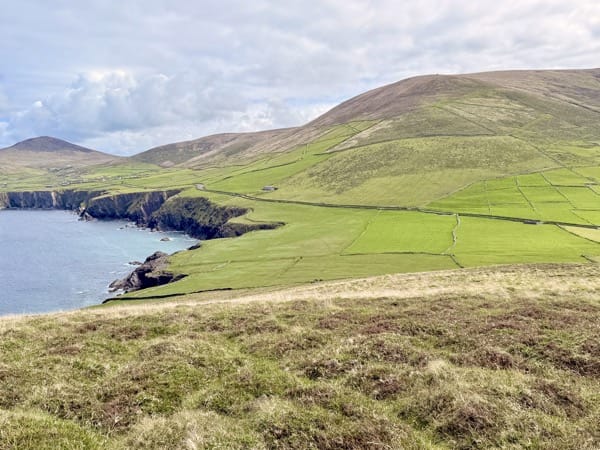
Upon continuing, we pulled over several times to take in the spectacular views before reaching a major hiking highlight along the Wild Atlantic Way: the combined Discovery Point area around Dunquin Pier and Coumeenoole Beach. From here, we set out on a steep but rewarding coastal walk, with dramatic cliffs, crashing Atlantic waves, and sweeping views of the Blasket Islands unfolding at nearly every turn.
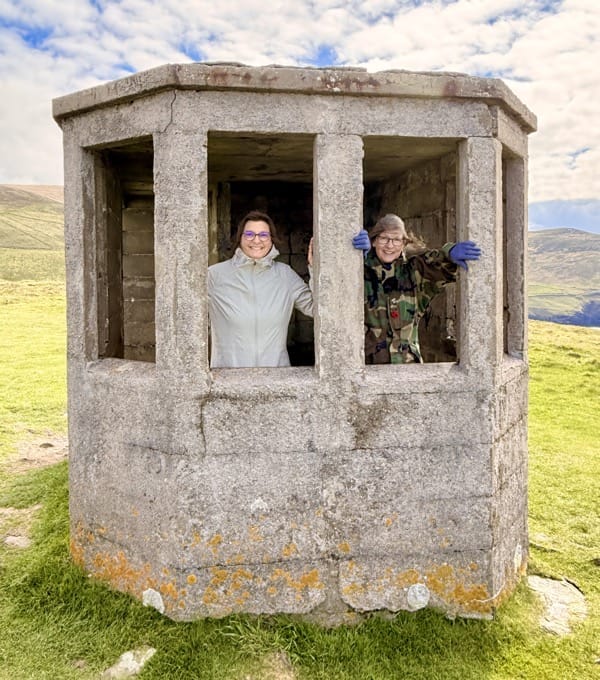
We paused at higher viewpoints along the route to take in the full panorama before continuing inland toward a nearby stone signal tower. This 19th-century structure is part of Ireland’s network of Napoleonic-era coastal signal towers, built to watch for potential French invasion and to relay messages between stations along the coast using line-of-sight communication.
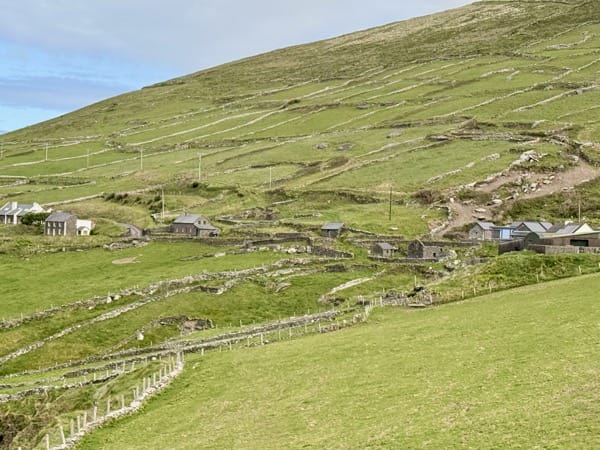
From the tower, we looped back toward the car, viewing a landscape of stone-walled pastures dotted with white sheep, scattered farmhouses, and small rural settlements, an enduring patchwork of traditional Irish countryside set against the rugged Atlantic edge.
—— Dunquin Pier Hike ——
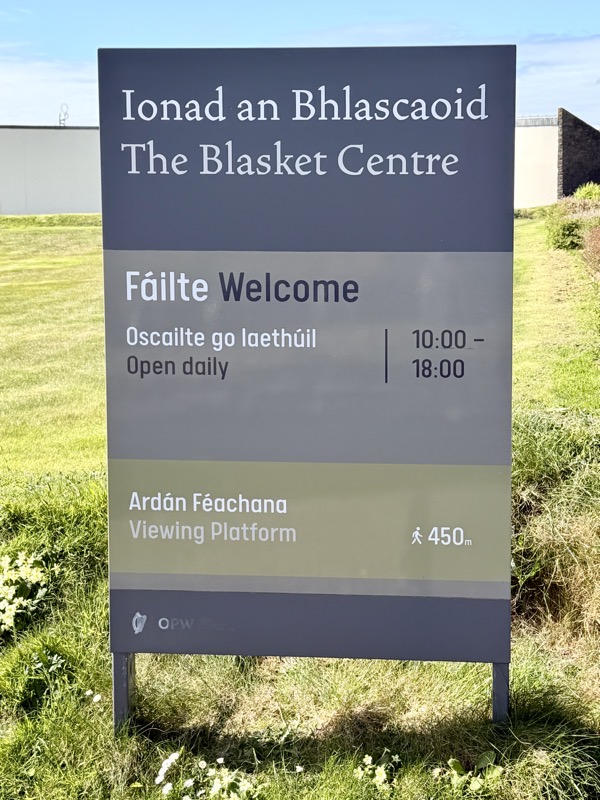
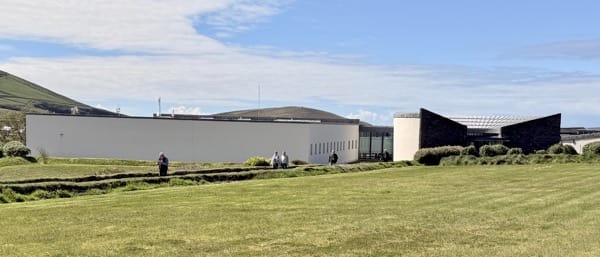
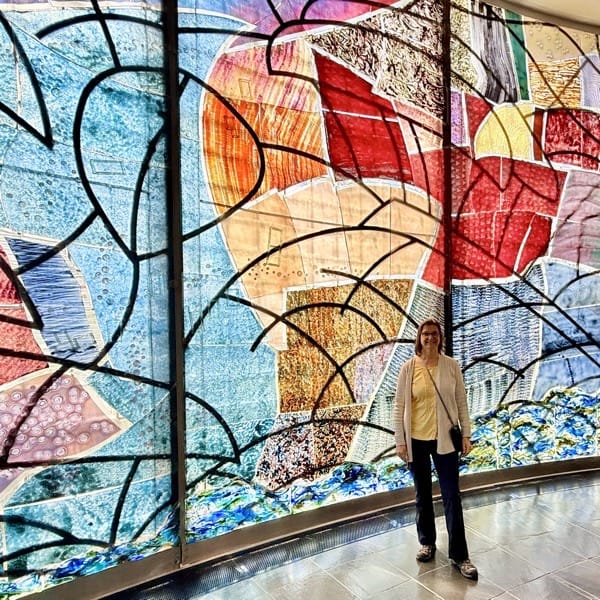
Our next stop was The Blasket Centre, where we spent over an hour exploring the exhibits and watching a powerful film about the former residents of the nearby Blasket Islands and their remote, often harsh way of life. The displays trace the history of the island community, which was evacuated in 1953, and highlight their unique literary heritage, including the remarkable storytelling tradition that emerged from such an isolated Gaelic-speaking population. Exhibits also feature personal artifacts, photographs, and reconstructed scenes that bring everyday island life into focus, showing how families farmed, fished, and endured Atlantic weather with limited resources.
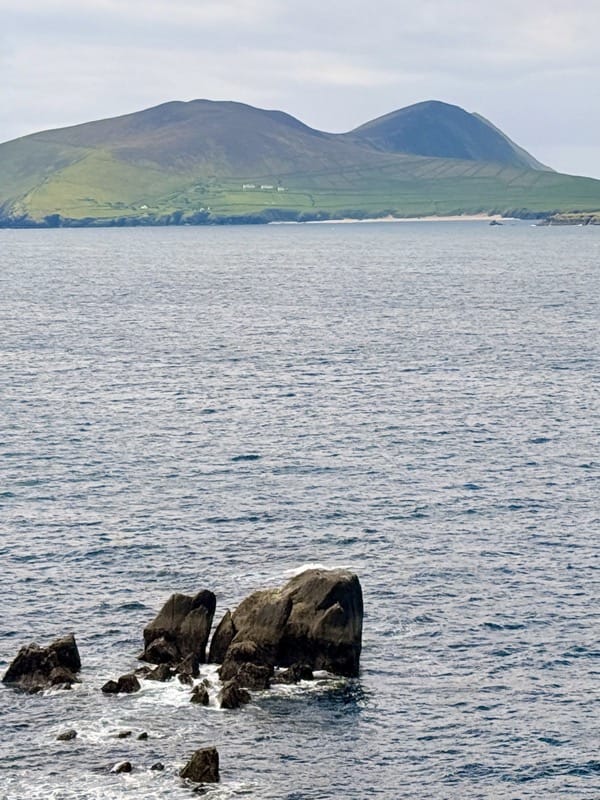
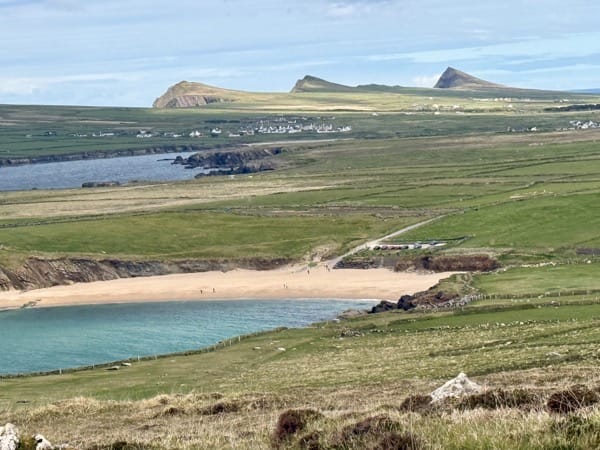
Outside, we walked behind the centre to a coastal viewing area with sweeping views of the Blasket Islands and the iconic Three Sisters (known in Irish as An Triúr Deirféar), a striking trio of rounded peaks rising above the western edge of the peninsula.The landscape opened dramatically toward the Atlantic, giving us a fitting final perspective on the rugged beauty and isolation that defined life in this remarkable part of Ireland.
Our experience at the centre convinced Jane and me that we needed to see if we could arrange a boat trip to the Blasket Islands for tomorrow, our final day in Dingle.
—— The Blasket Centre —–
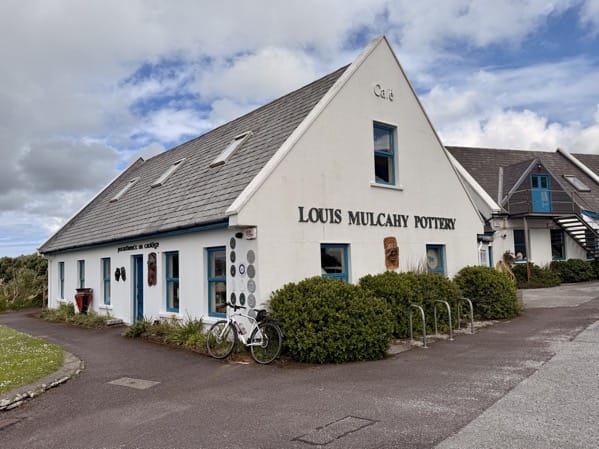
Next, we made a brief stop at Louis Mulcahy Pottery to browse the beautiful handcrafted ceramics on display. Although it was tempting to linger, we didn’t stay long, as the hike and morning touring had worked up a healthy appetite for everyone.
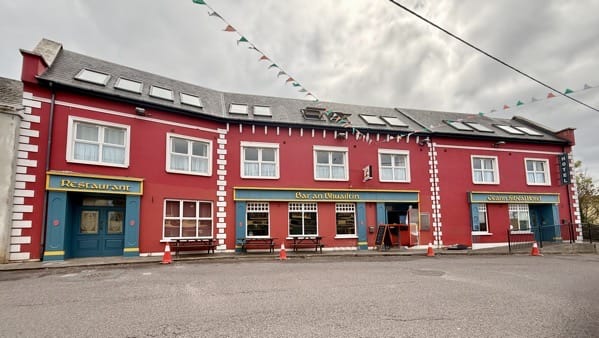
We continued on to the nearby area around Ceann Sibéal Hotel, where we stopped for lunch. Jane and I enjoyed delicious spinach, goat cheese, and pepper ciabattas, along with lattes, as we took a relaxed break before continuing our journey through the Dingle Peninsula.
—— Louis Mulcahy Pottery —–
—— Ceann Sibéal Hotel —–
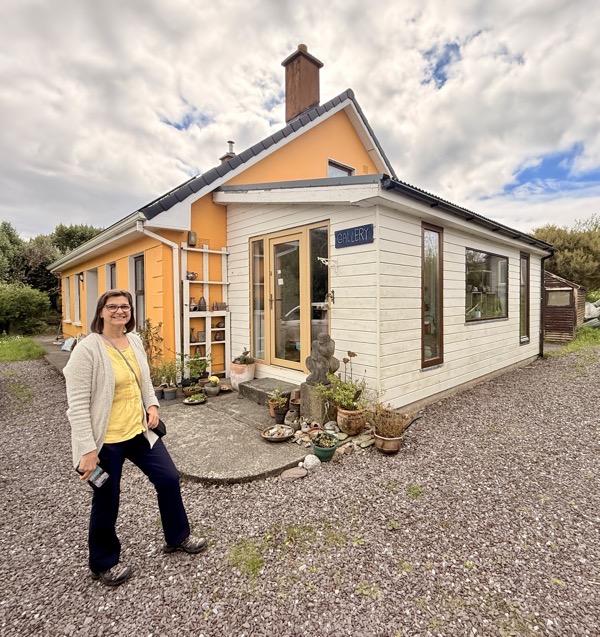
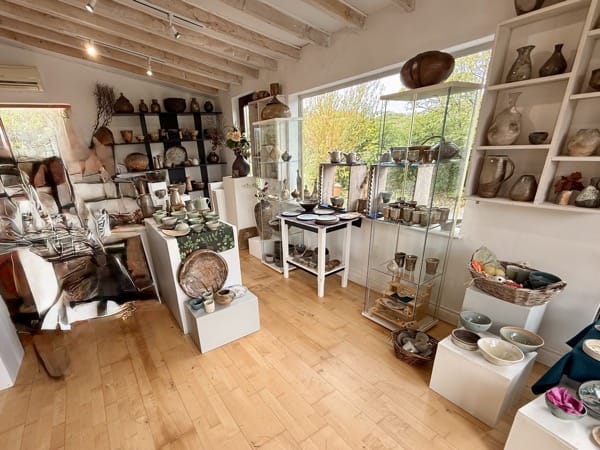
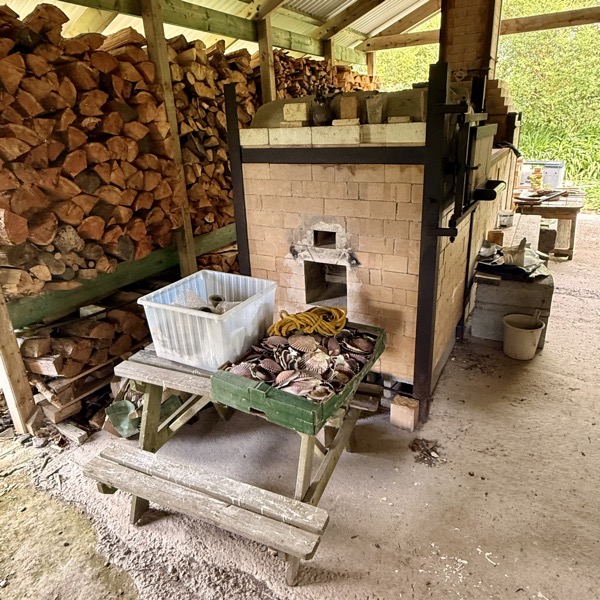
We then stopped at Ursula Tramski Ceramics, where Ursula warmly greeted us and enthusiastically explained the differences between wood-firing and kiln-firing techniques. She described how wood-firing allows ash and flame to naturally interact with the clay, creating more organic, unpredictable finishes, while kiln-fired pieces tend to have smoother, more controlled glazes.
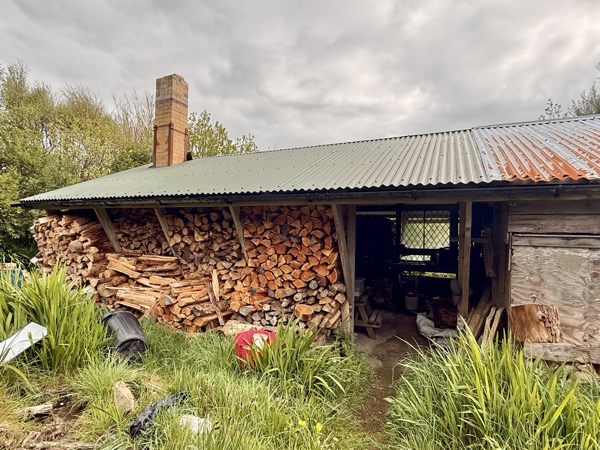
In the shop, both styles were on display side by side, and the contrast was immediately visible—the wood-fired pieces had a more textured, earthy surface, while the kiln-fired ceramics were noticeably smoother and more uniform. Nancy ultimately chose to purchase a stout coffee mug with a wood-fired finish, a nice keepsake from the visit. Before leaving, we were also able to peek into the outdoor wood-firing area, getting a behind-the-scenes look at the furnace that gives Ursula’s work its distinctive character.
—— Ursula Tramski Ceramics —–
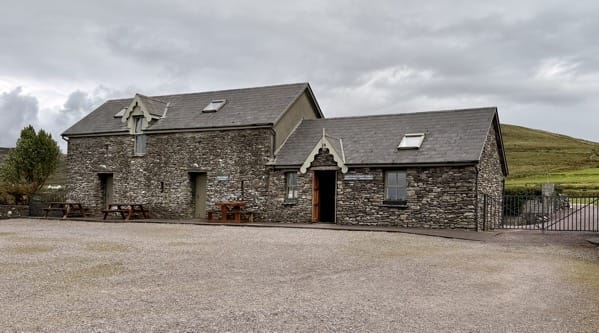
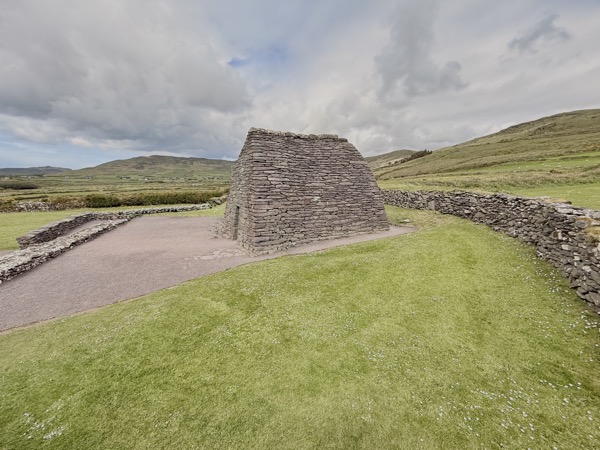
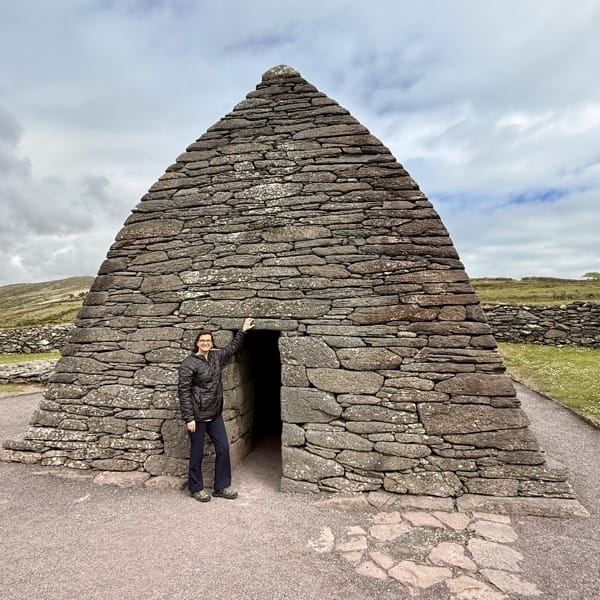
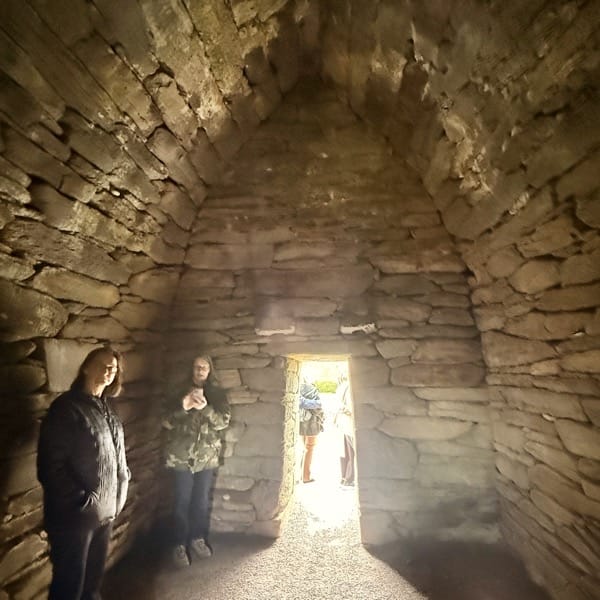
Our next stop was the Gallarus Oratory, one of Ireland’s best-preserved early Christian stone churches, dating from roughly the 7th to 9th century. It is built entirely of finely fitted dry-stone masonry and shaped like an upturned boat, with inward-sloping walls that meet at a corbelled roof—an ingenious design that has kept it remarkably dry and intact for over a millennium.
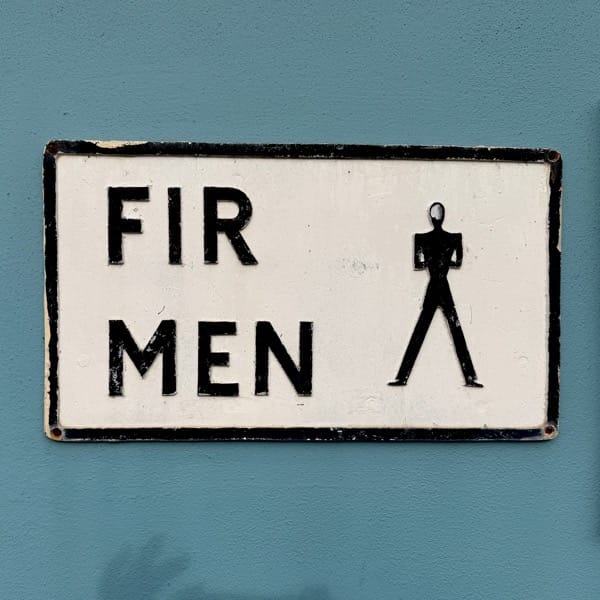
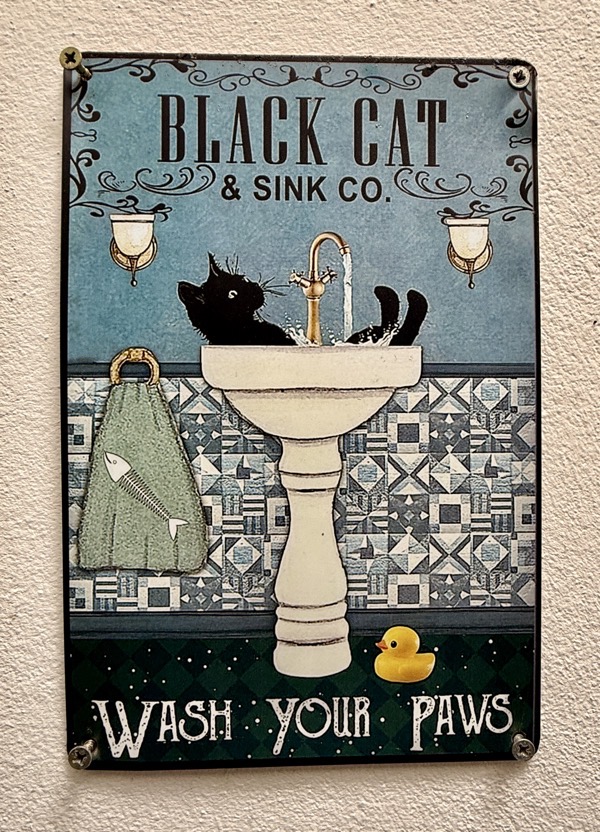
Afterward, I stopped at the facilities (marked Fir, the Irish word for “men”) and washed my paws, as directed by the black cat signage, before we continued on our way.
—— Gallarus Oratory —–
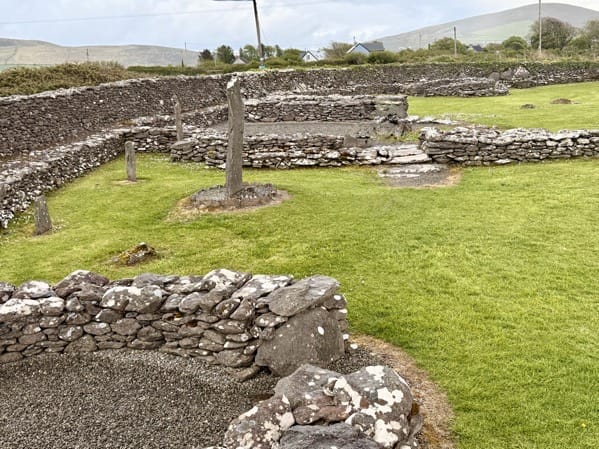
Jane took a final detour on our way back to Dingle along a narrow country road that led to the Reask Monastic Site, an early Christian monastic settlement dating from roughly the 5th to 8th centuries. We arrived under a soft drizzle and had the site entirely to ourselves beneath the low, gray skies, which added to its quiet sense of isolation.
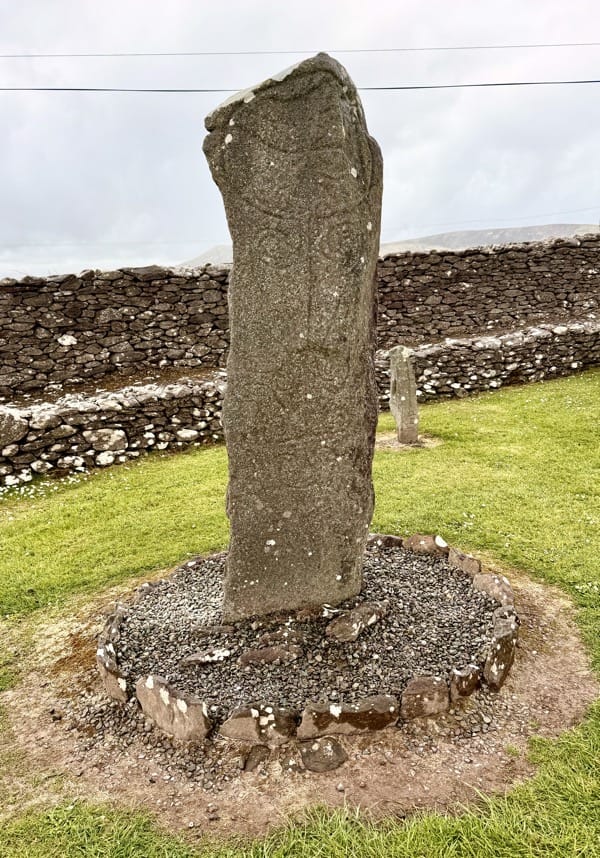
In the middle of a grassy field, a stone wall enclosed various remains of structures of the ancient settlement. One of its most striking features was a high cross shaft, its faint, weathered and mysterious carvings still just visible after more than a millennium. From this remote site, Jane then guided us back along a narrow winding shortcut to the main road toward Dingle.
—— Reask Monastic Site —–
Eventually, we arrived back to our Devanes B&B in Dingle. Jane and I made arrangements for a boat trip to the Blasket Islands the following day, so we walked to the local SuperValu to pick up snacks for a packed lunch. Meanwhile, Nancy and John decided to skip the boat excursion and instead planned a drive to Tralee for a more relaxed day on land.
This evening, Jane and I kept things simple with a light room supper of cheese and crackers, accompanied by a pint of Beamish stout, while we watched a bit of Irish news on television. After a full day of exploring the peninsula, we finally called it a night and retired early.