Thursday, May 14, 2026
Today is our last full day in Ireland. We enjoyed another hearty breakfast at The Wyatt Hotel around 8:30 and were on the road shortly after 9:00. John took the wheel for the day as we set out eastward, joining the N5, a major national route, before connecting with sections of the M6 motorway toward Athlone. The morning was cold and overcast, with intermittent rain that at times gave way to heavy downpours sweeping across the windshield.
We had planned a detour en route to Athlone for a visit to a heritage museum. The GPS led us off the main road and onto a scenic but extremely narrow rural lane, essentially a single-track road. Midway along this route, we encountered a road closure for maintenance, which forced us into another network of winding country roads before eventually guiding us back toward the motorway system and onward to a second rural exit. After a series of twists, turns, and changing road signs, we finally arrived at our destination.
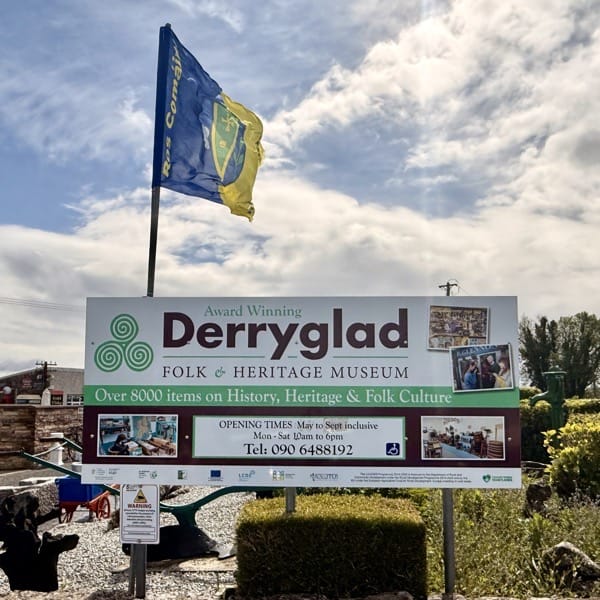
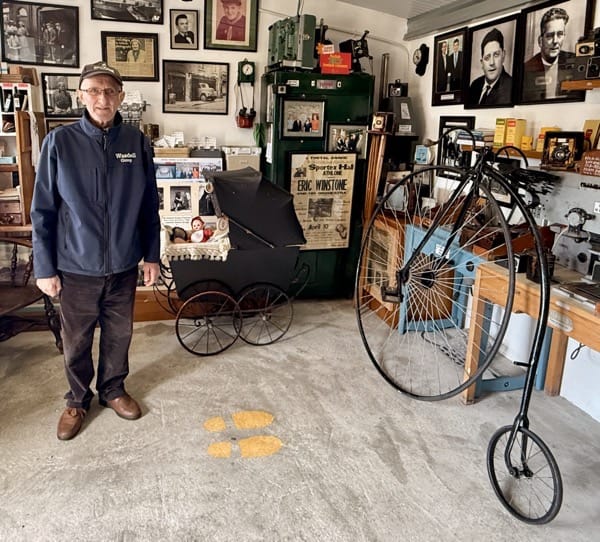
The Derryglad Folk & Heritage Museum is owned and operated by Charlie Finneran, a man in his mid-70s who grew up in the area and has spent much of his life collecting and preserving everyday objects from Ireland’s past and present. What he has created is less a conventional museum and more a vast, immersive archive of rural life—an accumulation of personal memory, local history, and sheer collecting passion.
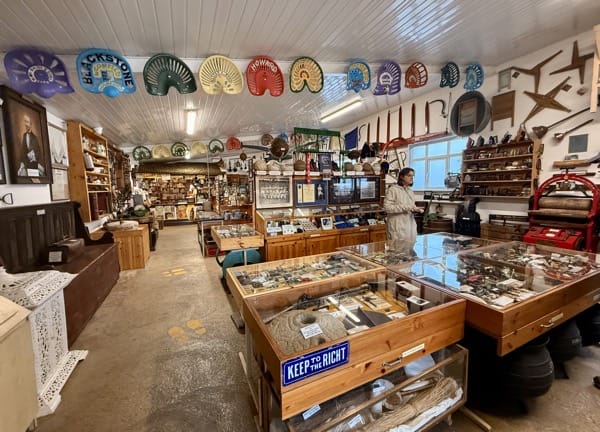
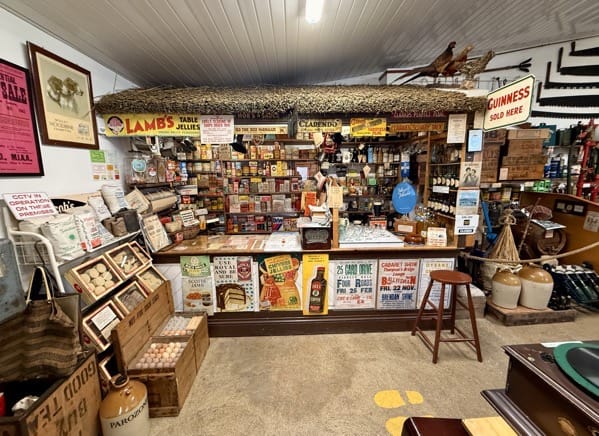
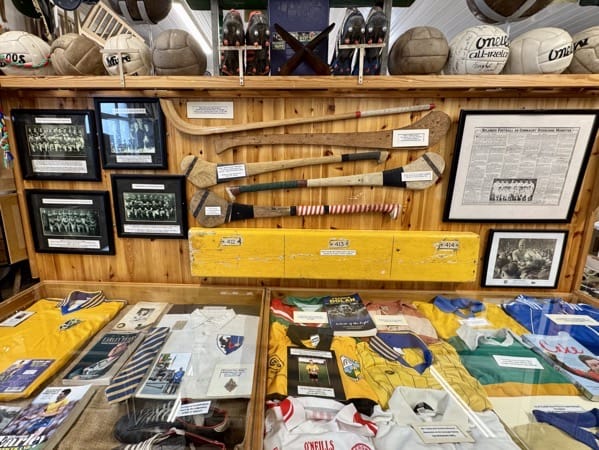
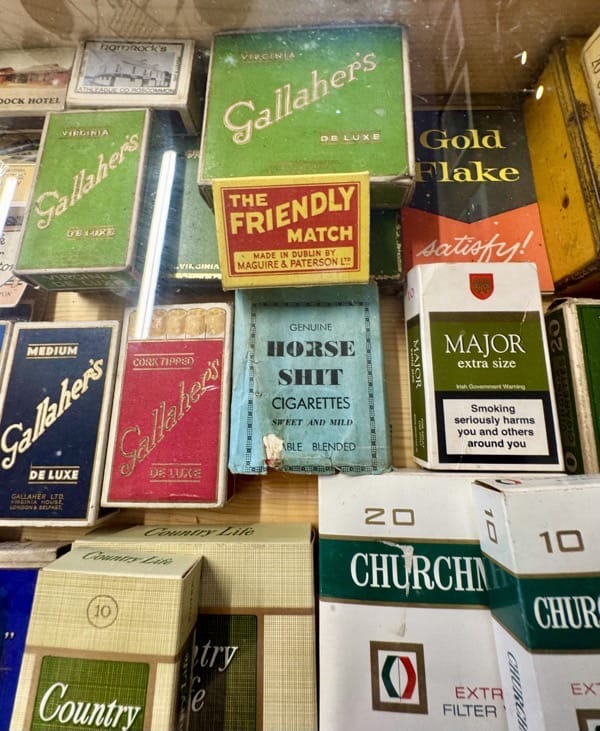
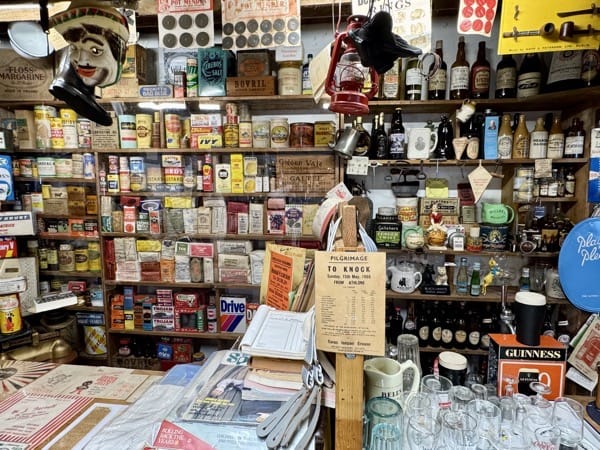
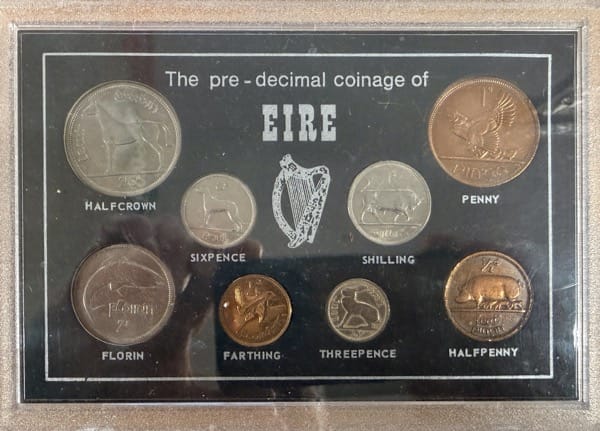
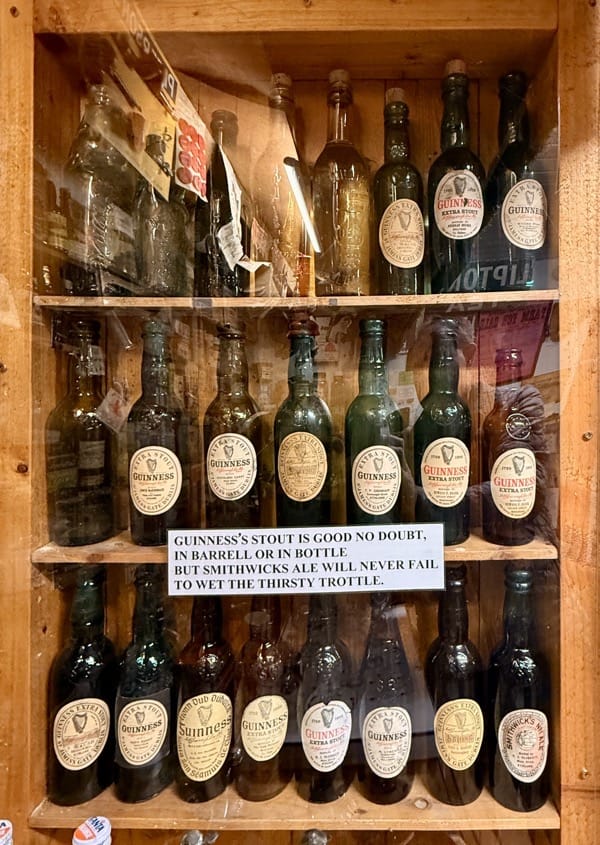
The displays span an astonishing range of categories and eras: cigarette packets, matchbooks, coins, and old currency; laundry equipment and early washing machines; a meticulously recreated 1930s-style thatched shop and bar stocked with canned goods, dry goods, glass bottles, clay pipes, and period packaging. Nearby were hand-made bricks with an explanation of their traditional production, as well as farming tools, hurling sticks, sports memorabilia, children’s toys, bicycles, and even items connected to the Troubles in Northern Ireland, including plastic bullets used during that period.
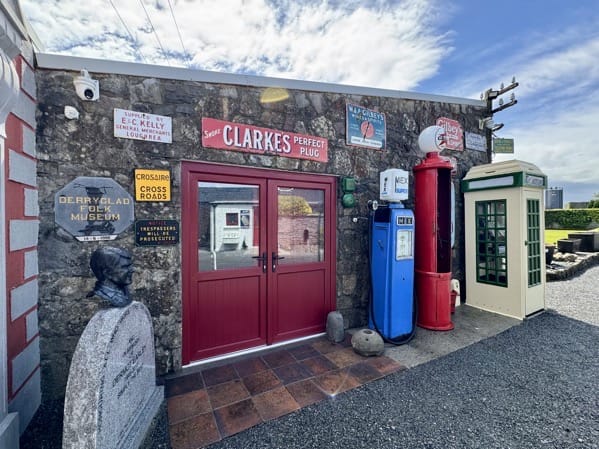
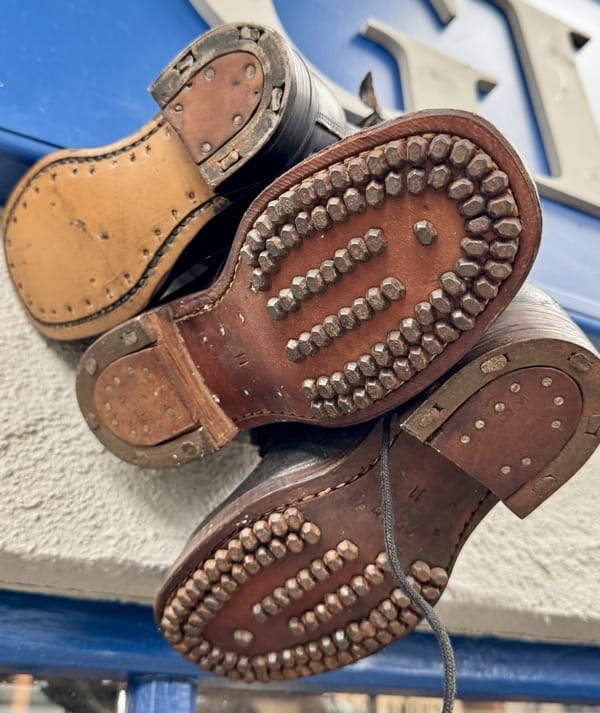
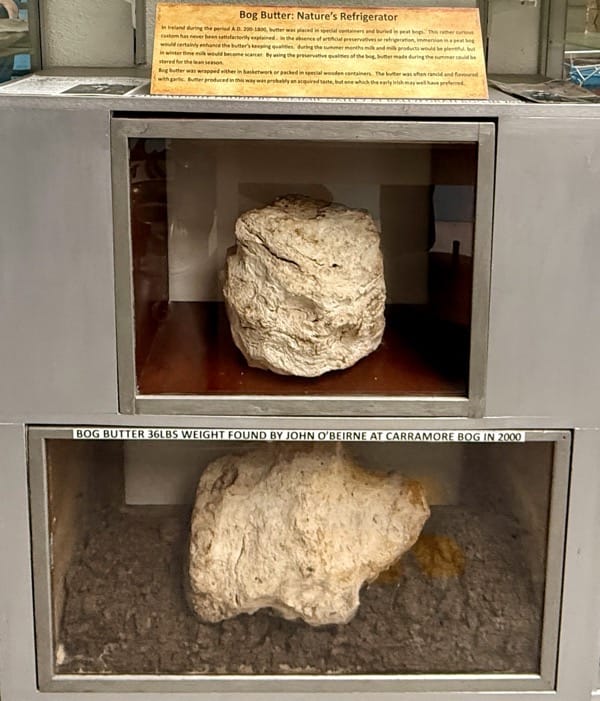
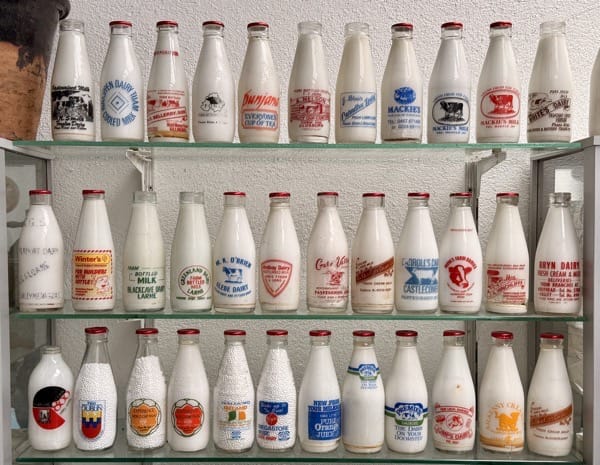
Room after room revealed further surprises—cosmetics and grooming items, flat irons, kitchen utensils and mechanical gadgets, shoes, old signage, medicines, glass bottles, and vintage petrol pumps. One section was devoted entirely to dairy farming, filled wall-to-wall with churns, separators, tools, and equipment that illustrated just how central milk production once was to rural life. The most unusual and memorable artifacts were two samples of bog butter, an ancient form of preserved butter that was traditionally buried in peat bogs, where the cold, low-oxygen conditions naturally preserved it for years—sometimes even centuries—often shaped into wooden-keg or wrapped forms and later recovered by farmers or archaeologists.
There were also cameras, phonographs, records, agricultural implements, peat-related artifacts, and countless photographs documenting local families and work life over generations. The sheer volume was overwhelming—a lifetime of collecting assembled into a dense, fascinating maze where every surface seemed to hold another story. By the end, our heads were spinning in the best possible way.
Charlie himself, despite quietly battling multiple myeloma, accompanied us for much of the visit, guiding us through the collection with warmth and pride. His knowledge, generosity, and obvious devotion to preserving this history gave the place its heart. It was one of those encounters where the person behind the experience leaves as strong an impression as the collection itself. Though he may never know it, he absolutely made our day.
—— Derryglad Folk & Heritage Museum —–
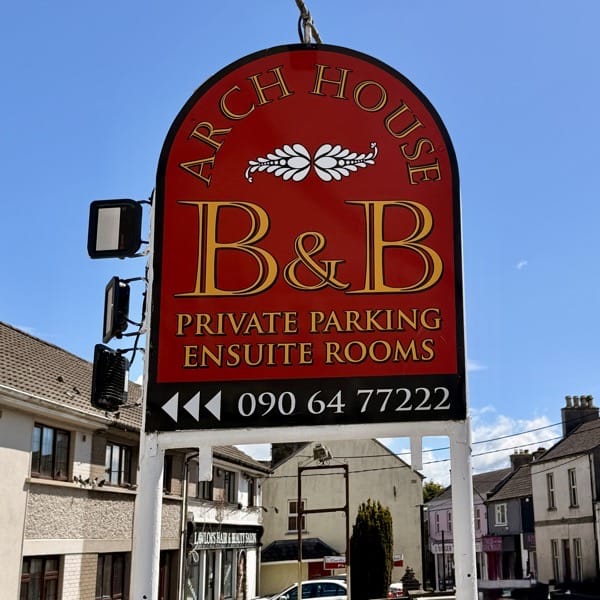
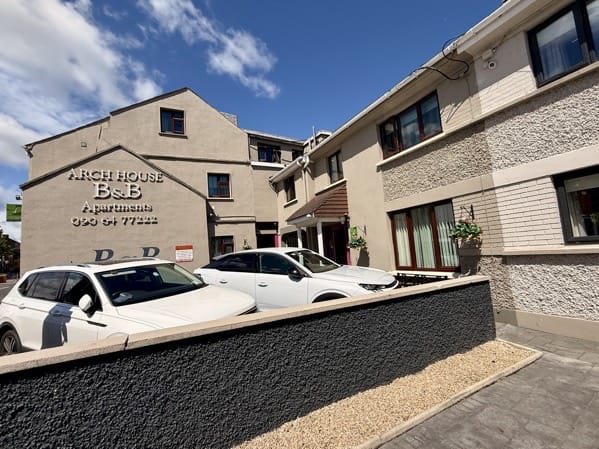
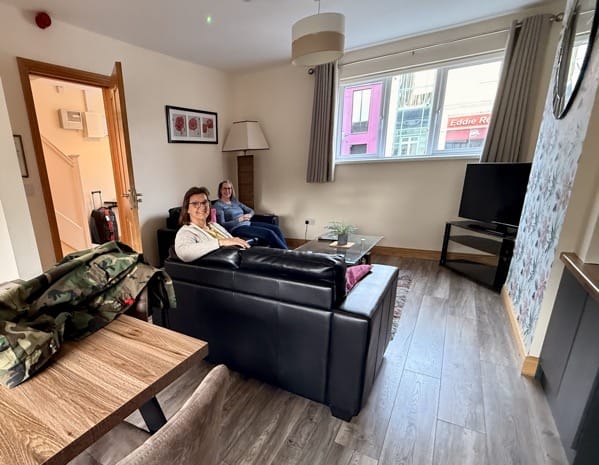
From the heritage center, it was onward to Athlone and our final place to stay, the Arch House B&B. Conveniently located in the town center near the River Shannon, it made for an easy base for exploring on foot. We arrived a little early, but once again we were warmly accommodated and shown to our rooms, which were more like a compact apartment: a downstairs living and dining area with bedrooms and en-suite bathrooms upstairs.
—— Arch House B&B —–
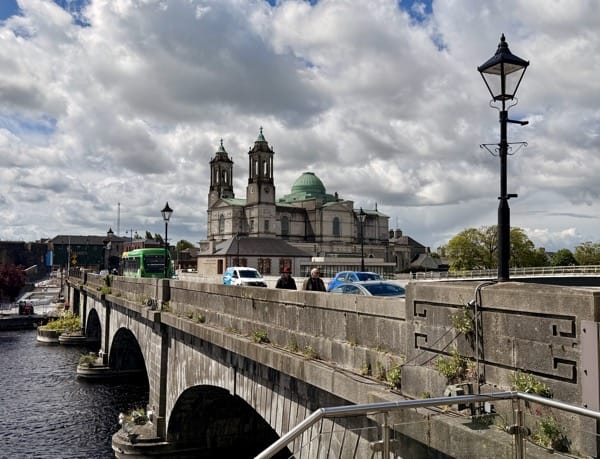
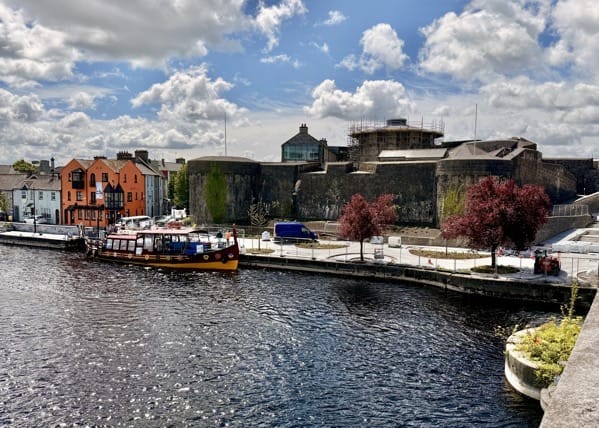
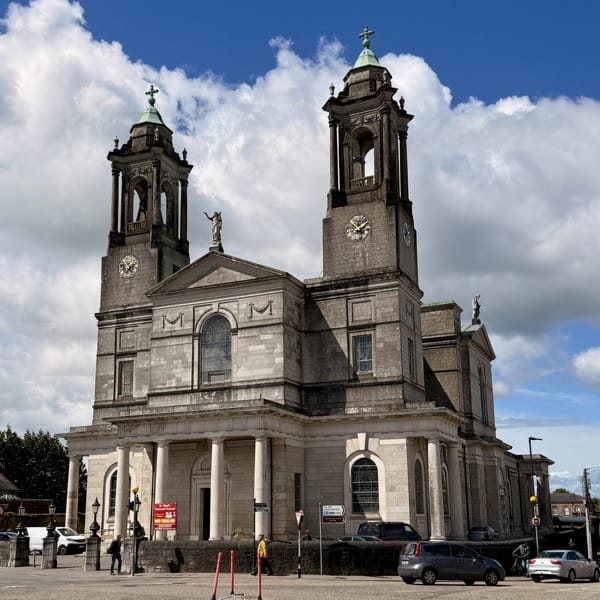
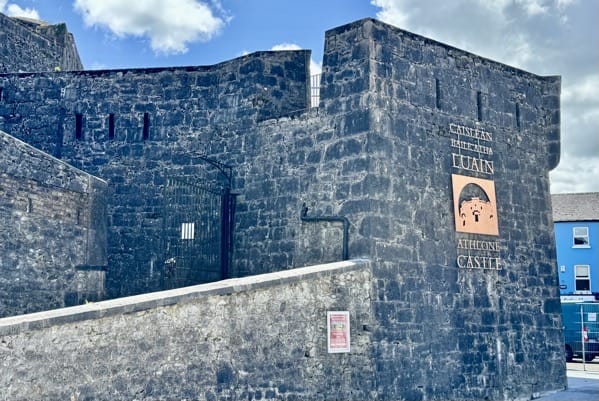
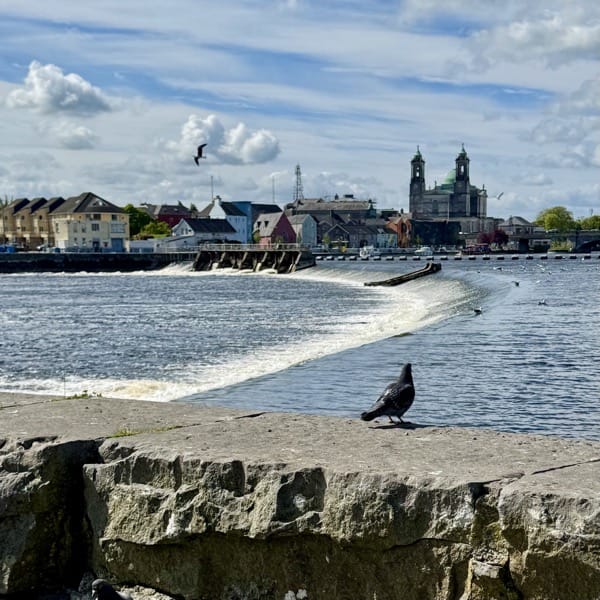
After a quick settle-in, we headed out in search of dinner at Left Bank Bistro about a 15-minute walk away. We crossed the River Shannon via the main town bridge, passed St. Mary’s Church of Ireland, its stone spire and Gothic Revival architecture standing prominently along the riverfront, and continued on past Athlone Castle, which was closed due to ongoing renovation work.
Soon after, we found our destination, the Left Bank Bistro, a recommendation from our B&B host. The restaurant was bustling and lively, with a warm, noisy energy that suggested it was popular with both locals and visitors. Despite the crowd, service was efficient and we were seated and looked after promptly. Jane chose brie on focaccia, while I went with cod goujons, both of which arrived quickly and hit the spot.
—— Walking to our Lunch Venue —–
—— The Leftbank Bistro —–
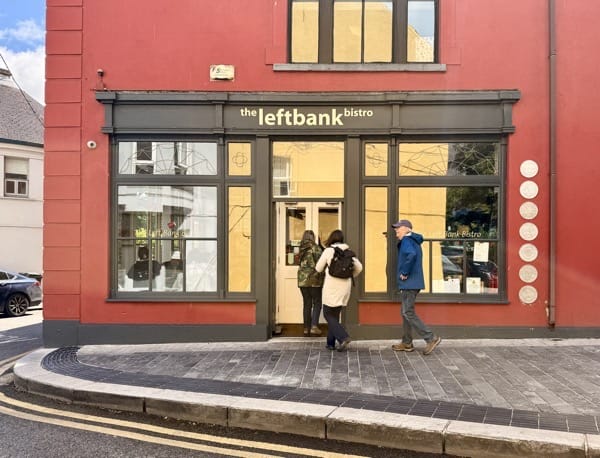
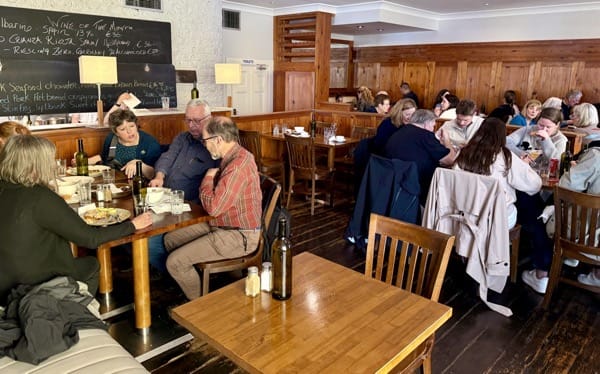
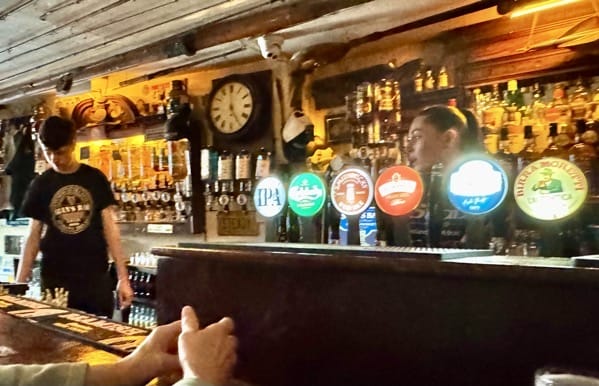
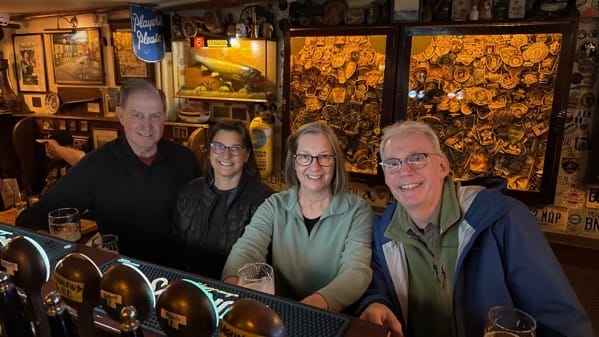
After our lunch, we walked over to nearby Sean’s Bar, widely claimed to be Ireland’s oldest pub, with origins often dated back to around 900 AD. It is also recognized by Guinness World Records as one of the oldest licensed pubs in Europe. Situated close to the west bank of the River Shannon, the building itself is low-ceilinged, dimly lit, and full of uneven floors and character, giving it a distinctly old-world feel.
We took seats at the bar and ordered our drinks. Jane opted for a citra IPA for a change, while I decided to compare a classic pint of Guinness with a draught Guinness 0.0. The zero-alcohol version, served fresh from the tap, was noticeably better than the canned version I had tried in the U.S., with a smoother texture and more convincing mouthfeel—but it still lacked the depth, richness, and lingering finish of the original stout.
It was a relaxed, ambience-rich stop, made all the more memorable by the sense of sitting in a place where centuries of conversation, stories, and pub life have unfolded.
—— Seans Bar —–
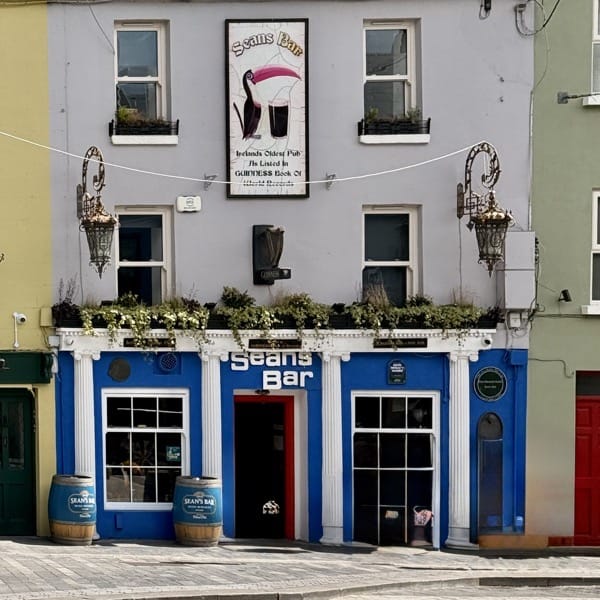
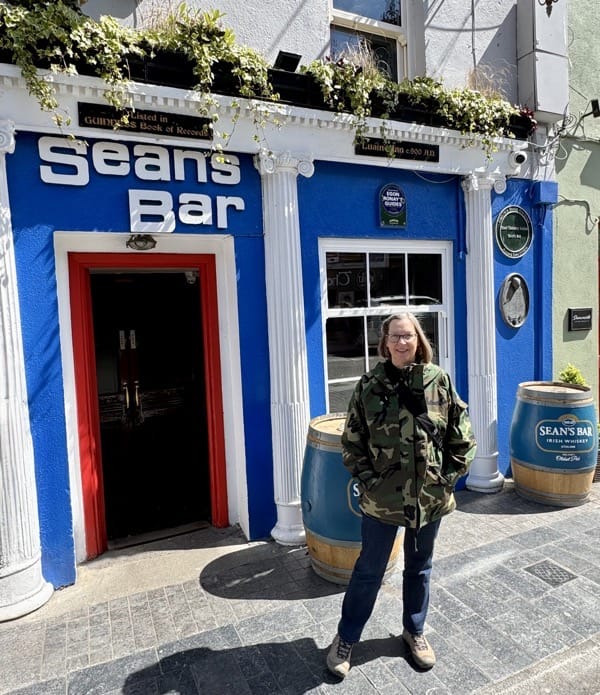
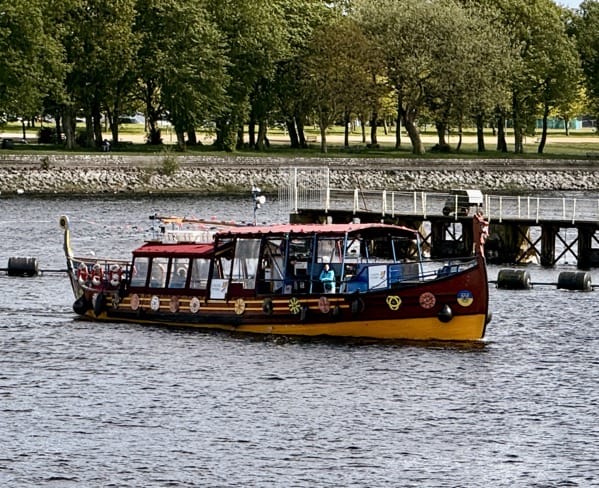
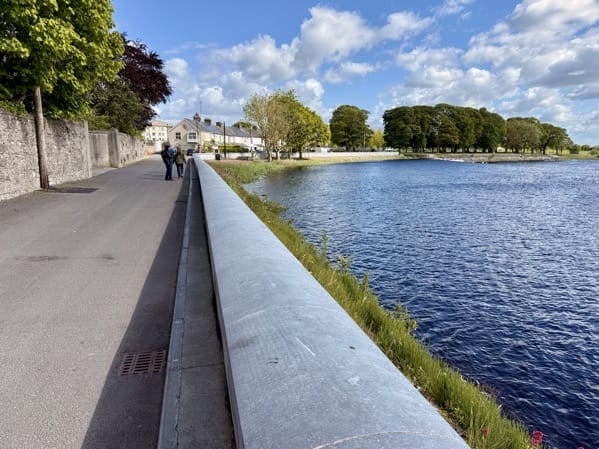
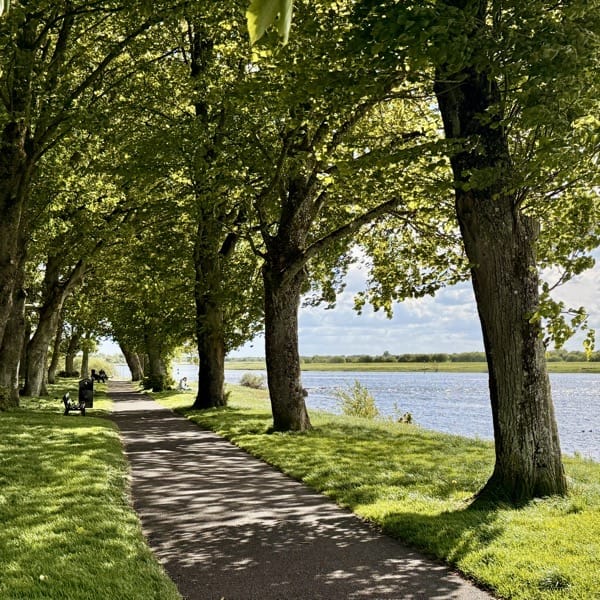
Upon exiting Sean’s Bar, we were pleased to discover that the rain had finally passed for good. We crossed back over the River Shannon and continued with a leisurely walk along the waterfront, eventually coming upon Burgess Park, a pleasant green space filled with mature trees, flowerbeds, and walking paths stretching beside the river. After the bustle of the town center, the park offered a quiet and relaxing respite.
—— Walking along the River Shannon —–
Eventually we made our way back to the Arch House B&B, where we settled into the downstairs common living area for the evening. There was a noticeable sense that the trip was winding down. As we relaxed, we found ourselves reflecting on our wonderful travels through Ireland. But gradually, our thoughts turned toward tomorrow’s departure and the long journey home. After awhile, we headed upstairs and turned in for our final night’s sleep on the Emerald Isle.