Wednesday, April 29, 2026
This morning dawned bright and sunny beneath clear blue skies. No rain was expected, and none arrived. We started the day a little later than yesterday, heading down to breakfast well after 8:00 a.m.
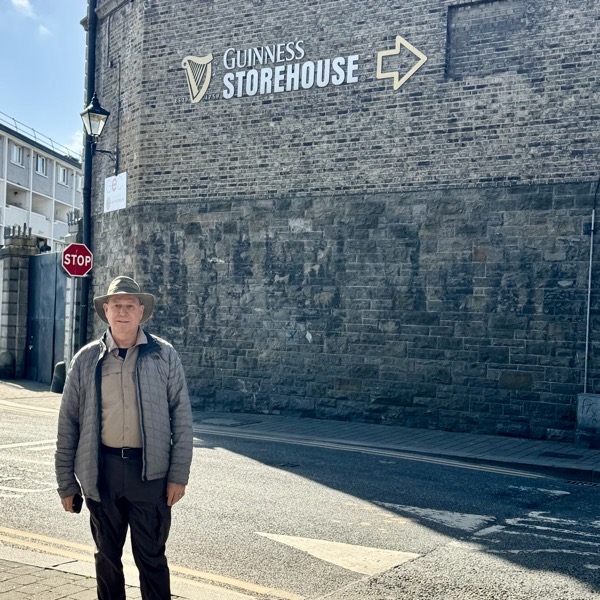
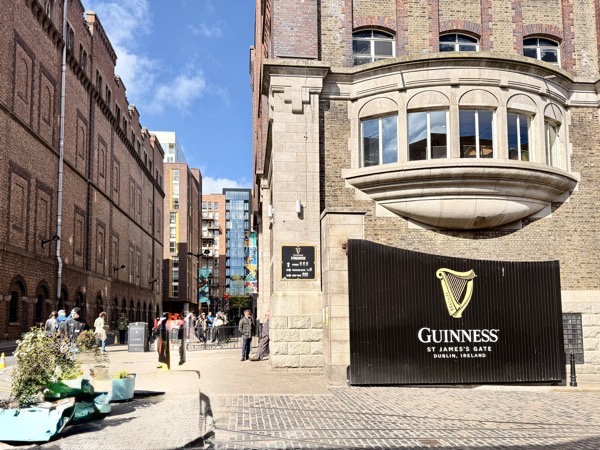
Our first destination was the Guinness Storehouse, the massive former Guinness brewery complex that has since been transformed into one of Dublin’s premier tourist attractions. Our tour was scheduled for 11:00 a.m., and we arrived a bit early after a pleasant 2.3-mile walk from the Schoolhouse Hotel.
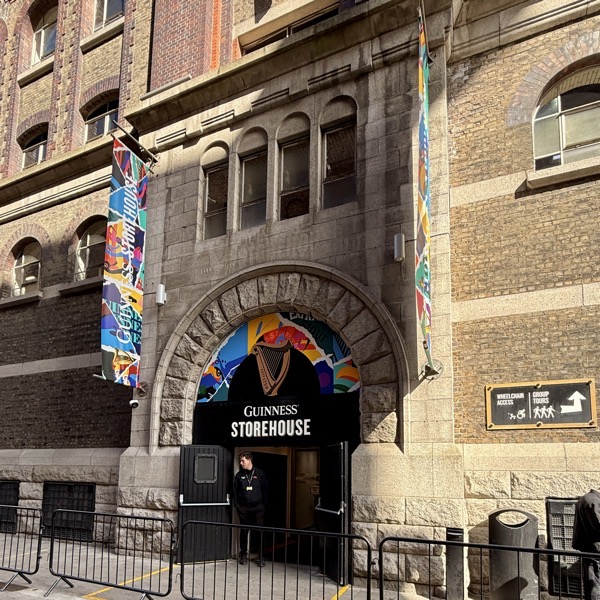
Upon arriving at the Guinness Storehouse, we were directed inside to the tour meeting area, where our guide, Colm (pronounced “Collum”) greeted us warmly and distributed headsets so we could clearly hear his commentary throughout the tour.
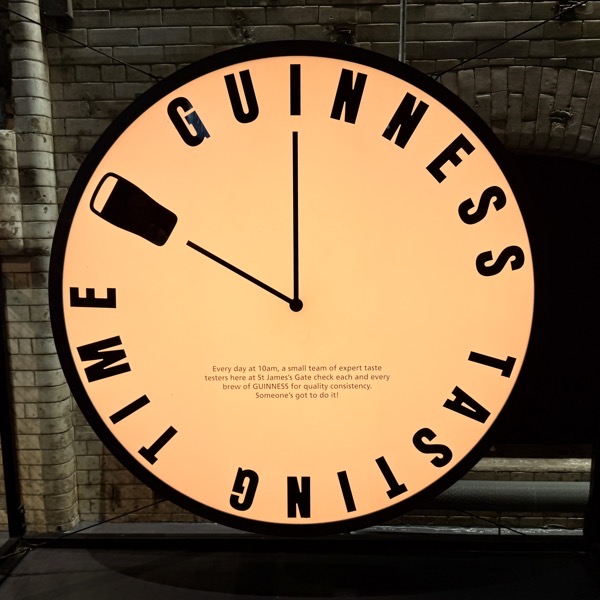
We began on the ground floor and gradually worked our way upward through the impressive multi-level exhibit, learning about the four essential ingredients of Guinness: water, barley, hops, and yeast, as well as the intricate brewing process that transforms them into the famous stout. Colm explained each stage in detail, from malting and mashing the barley to fermentation and maturation, bringing the brewing process to life with stories and historical context.
Along the way, he pointed out the brewing equipment, traditional wooden barrels, and displays illustrating how the brewery once operated at full industrial scale. Particularly interesting was the discussion of Guinness marketing through the decades, including the company’s iconic advertising campaigns and branding that helped make Guinness one of the world’s most recognizable beers. The combination of history, craftsmanship, and clever marketing made the experience both informative and entertaining.
—— The Guinness Storehouse Tour —–
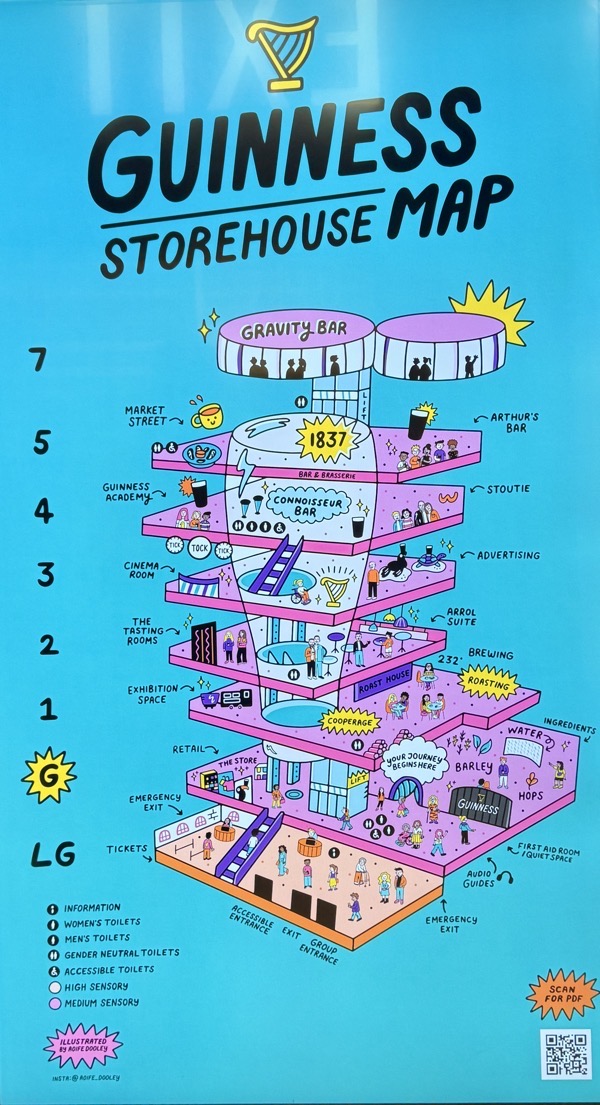
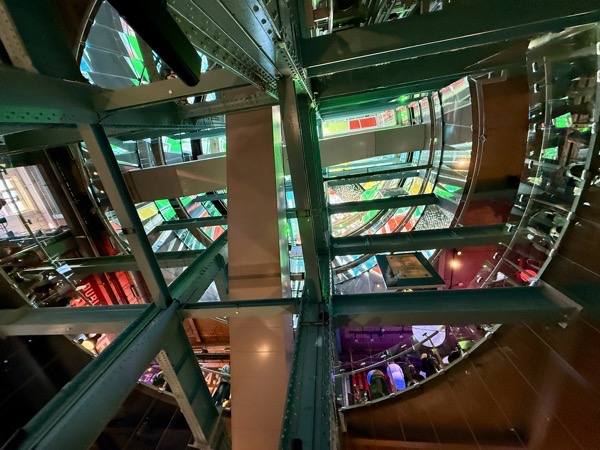
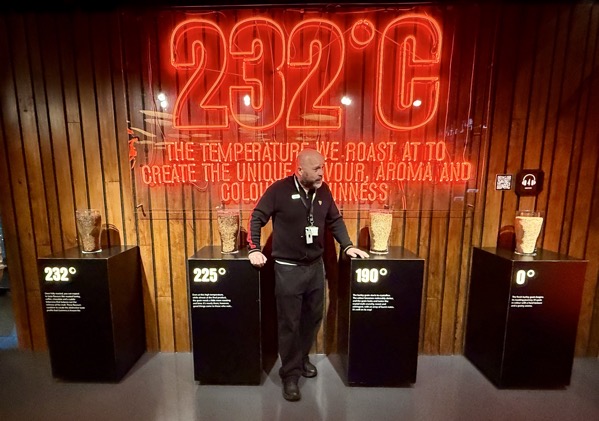
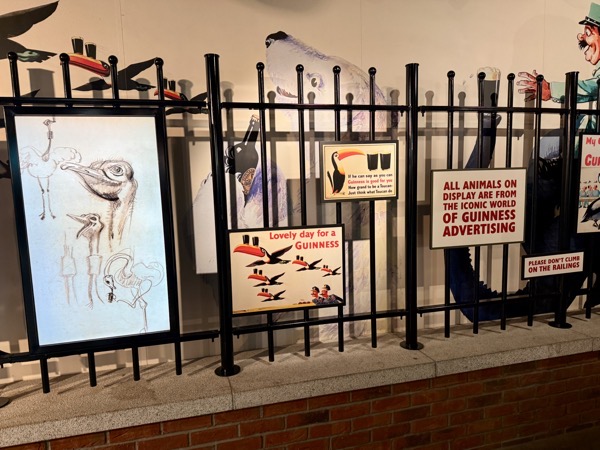
Before continuing to the top floor, Colm handed each of us a ticket to redeem for a complimentary pint at the famous Gravity Bar, perched high above the city and offering spectacular 360-degree views across Dublin.
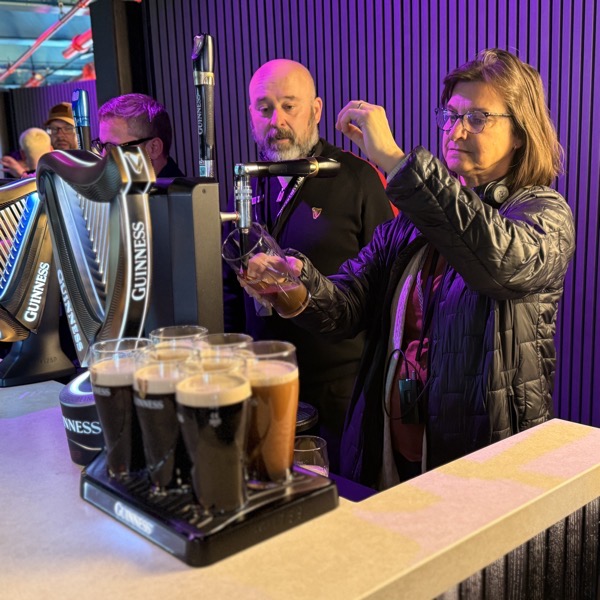
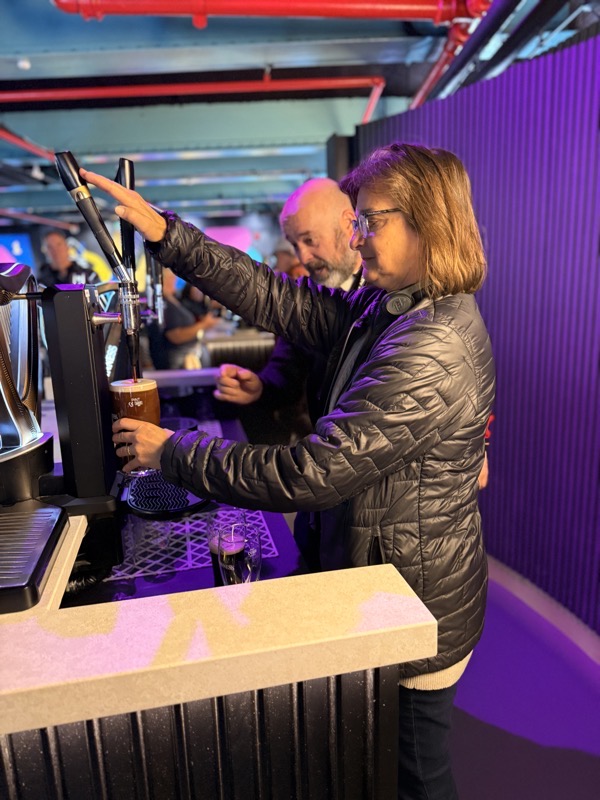
But first came one of the highlights of the tour: learning how to properly pour a pint of Guinness. We were guided through the brewery’s precise and time-honored two-step pouring method — carefully tilting the glass, filling it to the harp emblem, allowing the stout to settle, and then topping it off to create the perfect creamy head. Under Colm’s patient instruction, everyone successfully mastered the technique and proudly received a certificate for pouring their own pint.
——— Jane learns to Pour a Proper Pint of Guinness——
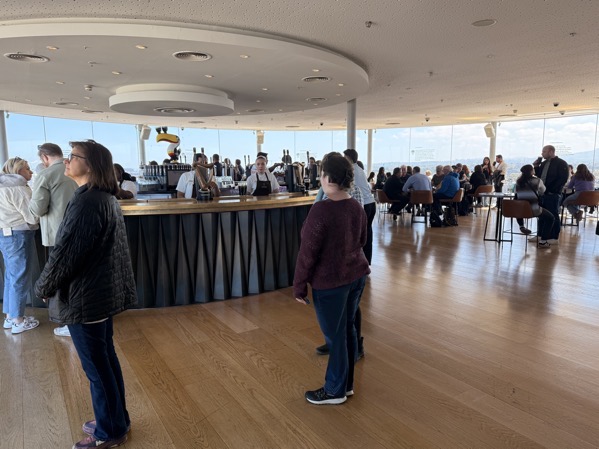
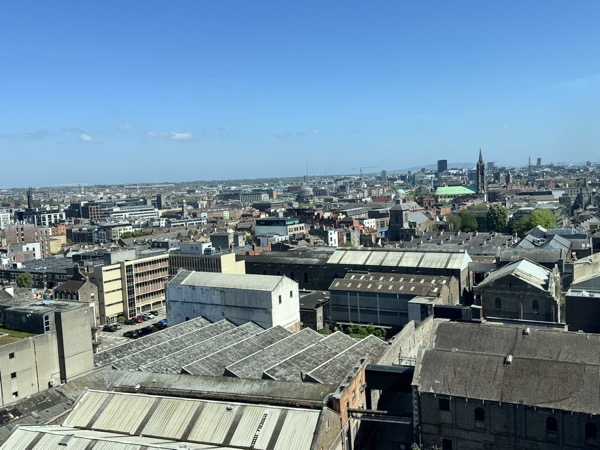
After lingering for quite a while to finish our pints, we eventually made our way up to the Gravity Bar to redeem our drink coupons. Jane opted for a half pint of the lighter Hop House 13 Lager, while I happily chose another pint of Guinness. We slowly walked around the perimeter of the circular bar, taking in the sweeping panoramic views of Dublin stretching in every direction.
The bar itself was packed with visitors, however, and not a seat could be found anywhere. After completing a full circuit of the viewing area, we retreated to a quieter lower floor where we finally found a place to sit and relax while finishing our drinks. Before leaving, we spent a little more time exploring several additional exhibits, including displays on Guinness advertising and marketing through the decades, as well as the traditional craft of barrel and cask making. We also took a brief look through the gift shop before heading back outside.
——— The Gravity Room ——
By then it was moving into mid-afternoon, and we still had a 4:15 tour scheduled at the historic Kilmainham Gaol. Once again we set out on foot, facing another walk of more than a mile across the city.
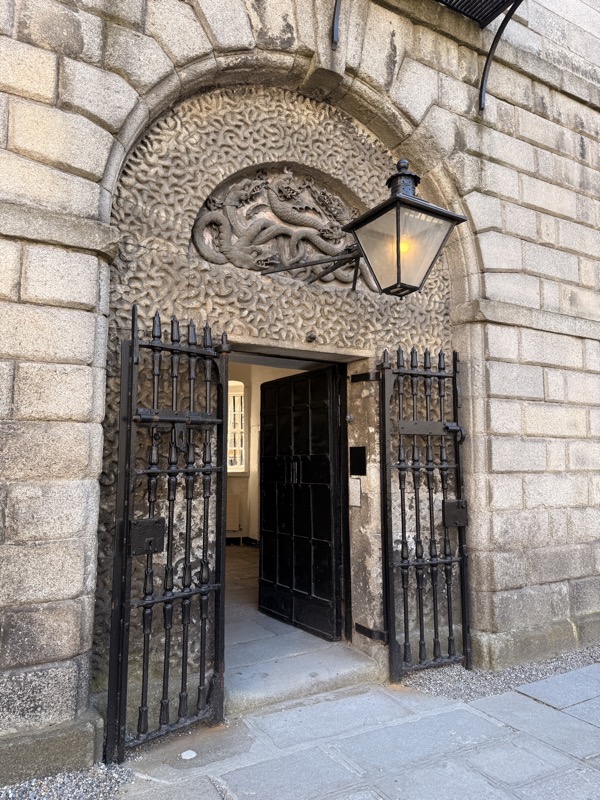
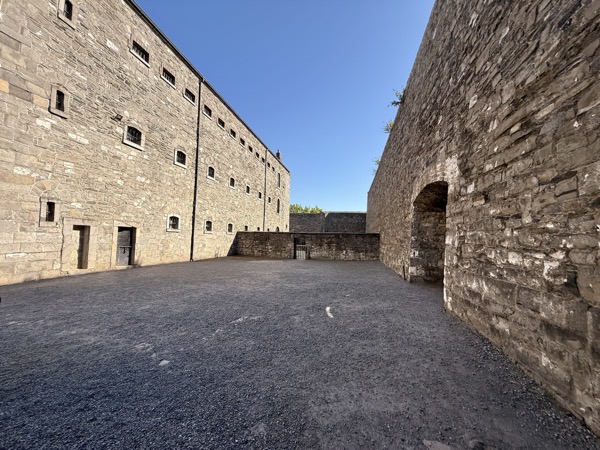
We arrived at Kilmainham Gaol early enough to spend considerable time exploring the museum exhibits spread across its three floors. The displays provided a fascinating and often sobering overview of Irish history, particularly the long struggle for independence from British rule. Through photographs, personal letters, prison records, artifacts, and detailed historical panels, we learned about the men, women, and even children who had been imprisoned within these walls over the centuries. Many had been convicted of ordinary crimes born of poverty and famine, while others were considered political prisoners — patriots and revolutionaries whose actions ultimately helped shape modern Ireland.
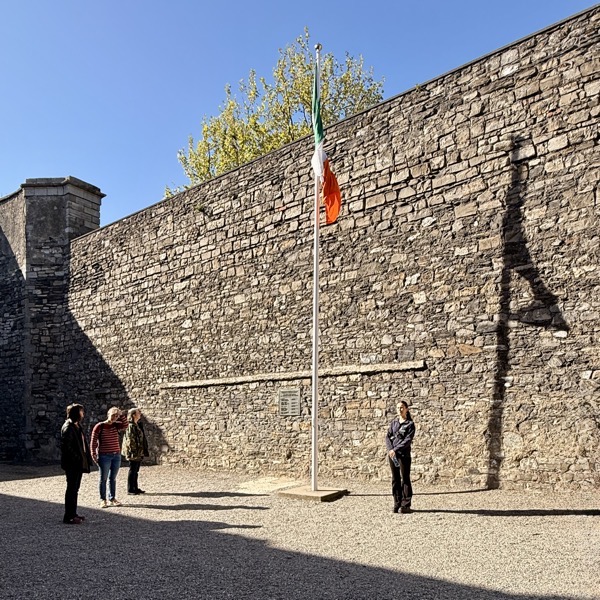
The exhibits devoted significant attention to the nationalist movements of the nineteenth and early twentieth centuries, culminating in the Easter Rising of 1916, when Irish republicans launched an armed rebellion against British rule in Dublin. Although the uprising itself lasted less than a week and was ultimately suppressed, its leaders became powerful symbols of Irish independence after many were imprisoned and executed. Seeing their photographs, handwritten final letters, and personal belongings made the history feel deeply personal and emotional rather than distant and abstract.
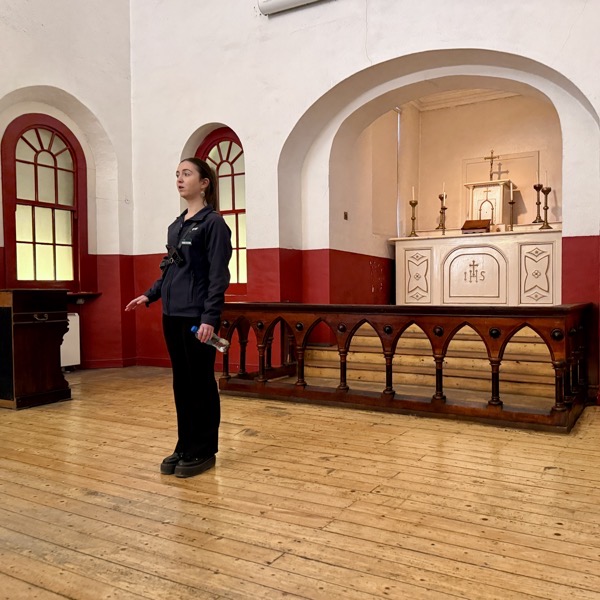
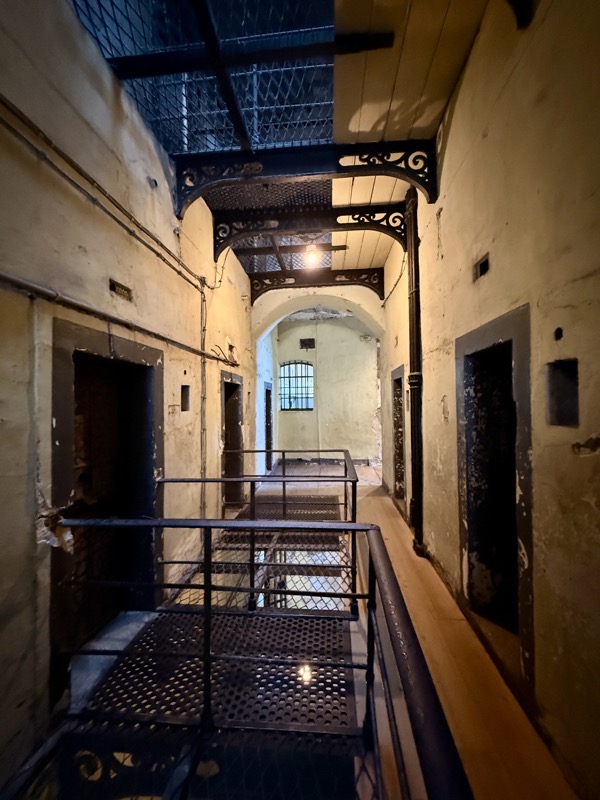
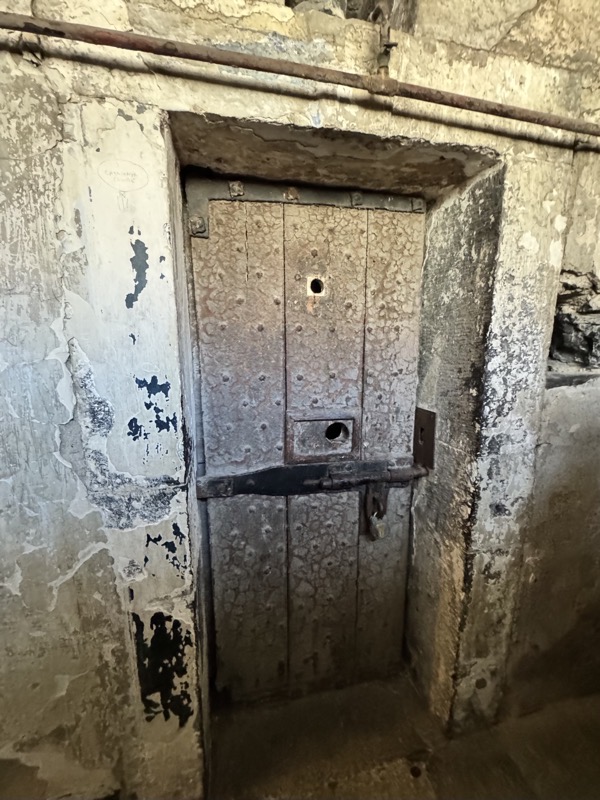
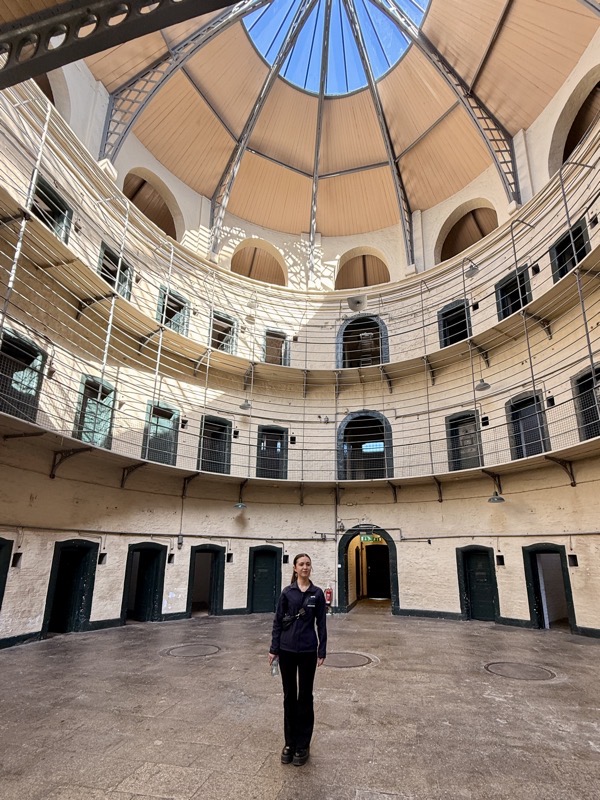
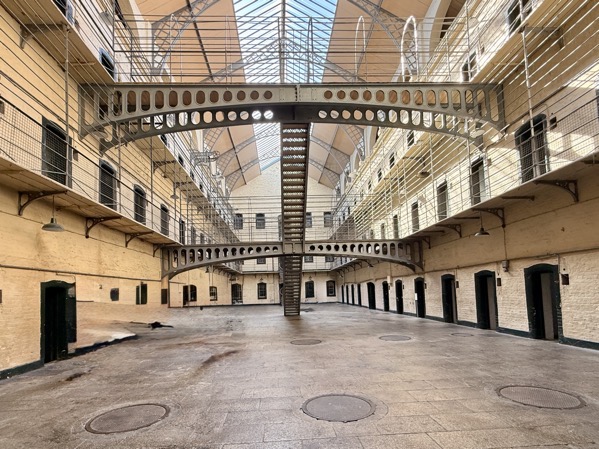
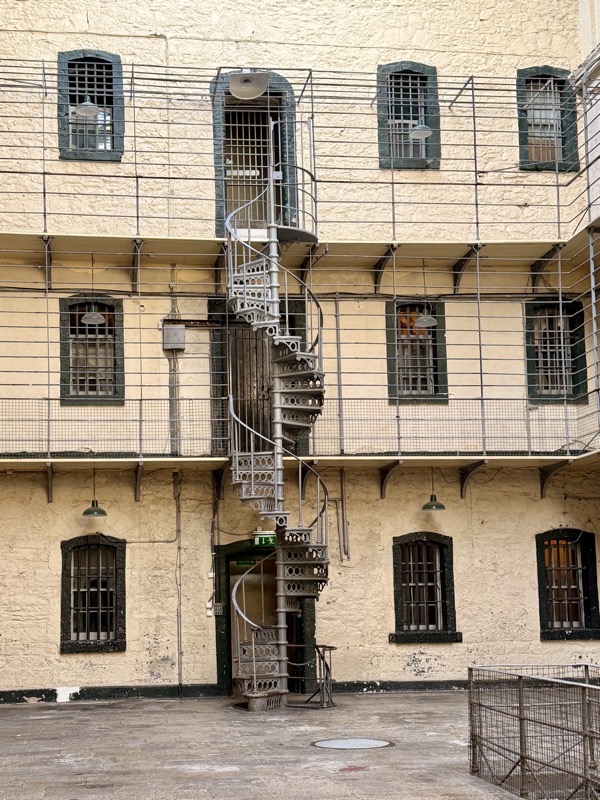
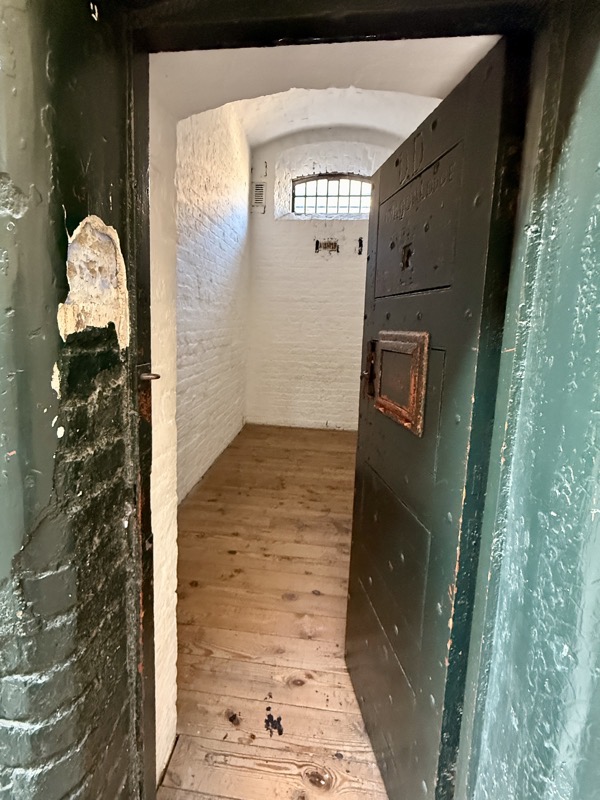
When the gaol tour began, our guide led us through the austere stone corridors, chapel, and prison wings, bringing the gaol’s history to life. The building itself felt cold and imposing, with iron walkways, heavy doors, and narrow cells that conveyed the harsh realities faced by prisoners confined there. The guide pointed out the specific cells where several leaders of the Easter Rising had been held in the days before their executions, including men who would later be remembered as founding figures of modern Ireland.
Particularly moving was the visit to the prison chapel, where some of the condemned prisoners spent their final hours and where one rebel leader, Joseph Plunkett, famously married Grace Gifford only hours before his execution. The stories of courage, sacrifice, and conviction gave the prison a solemn atmosphere that lingered throughout the tour.
Many of those imprisoned and executed here were viewed by the British authorities as traitors or criminals at the time, yet their deaths galvanized public opinion in Ireland and helped pave the way for the eventual establishment of the Republic of Ireland and Irish independence. Walking through Kilmainham Gaol offered not only a history lesson, but also a powerful reminder of the human cost behind Ireland’s struggle for freedom.
—— Kilmainham Gaol—–
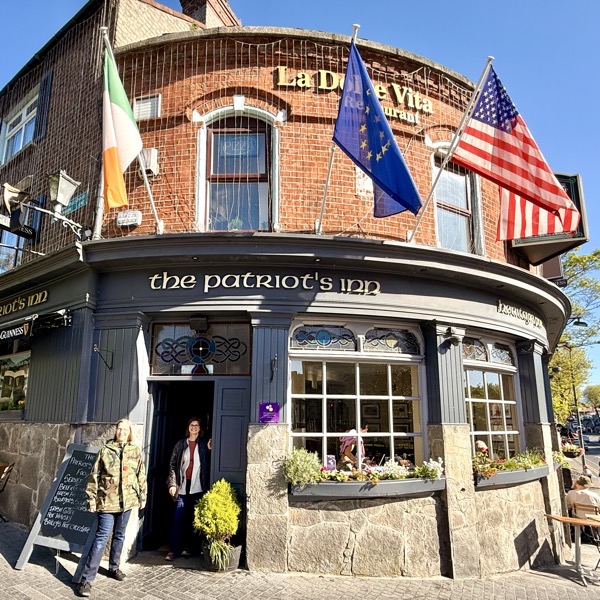
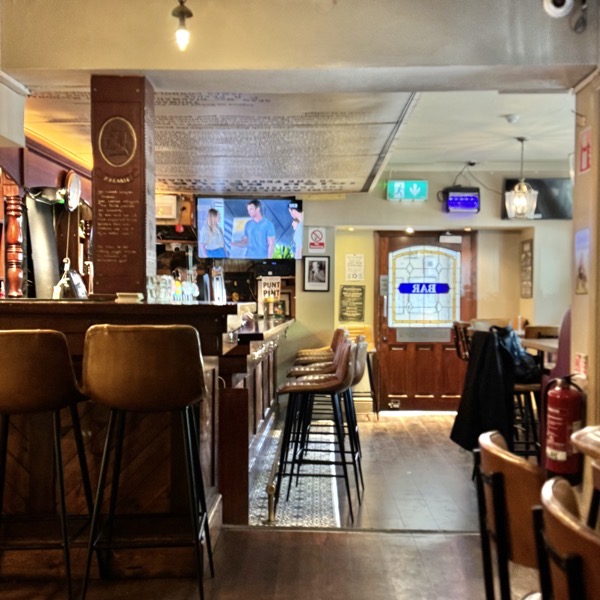
After the tour, having skipped lunch earlier in the day, we were more than ready for dinner by about 5:30 p.m.. So, we stopped at Patriots Inn, conveniently located on the corner adjacent to Kilmainham Gaol. The pub was busy with a mix of locals and tourists, and it took us a little while to figure out the informal system for getting the bartender’s attention and placing our order.
Once successful, Jane and I settled on yet another round of beer along with traditional fish and chips, which arrived hot and generous. John chose an enormous chicken sandwich piled high with toppings, while Nancy ordered a hearty bowl of Irish stew that looked perfect after a long afternoon of walking and touring. After spending most of the day on foot, the warm food and chance to sit and relax were especially welcome.
—— Our Dinner Venue – The Patriot’s Inn —–
By the time we finished dinner, we were thoroughly tired from the day’s miles of walking around Dublin. Rather than make the journey back on foot, John used an app to call a taxi, which quickly whisked us back to the Schoolhouse Hotel in far greater comfort than another long walk would have provided.
It felt like a fitting final evening in Dublin — a day filled with history, iconic sights, good food, and plenty of Guinness. Tomorrow our adventure shifts gears as we begin the driving portion of our tour through the Irish countryside.